
Last updated November 22, 2026
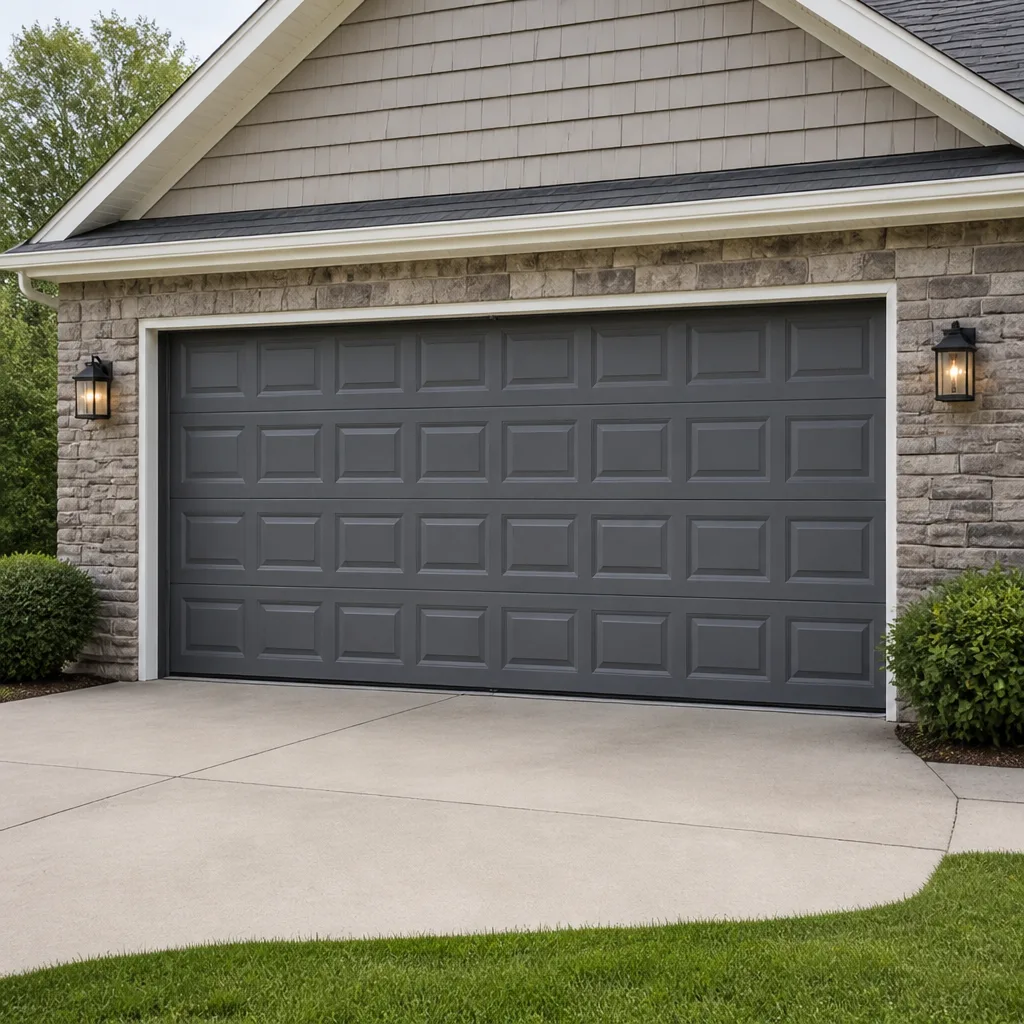 Raised-panel steel
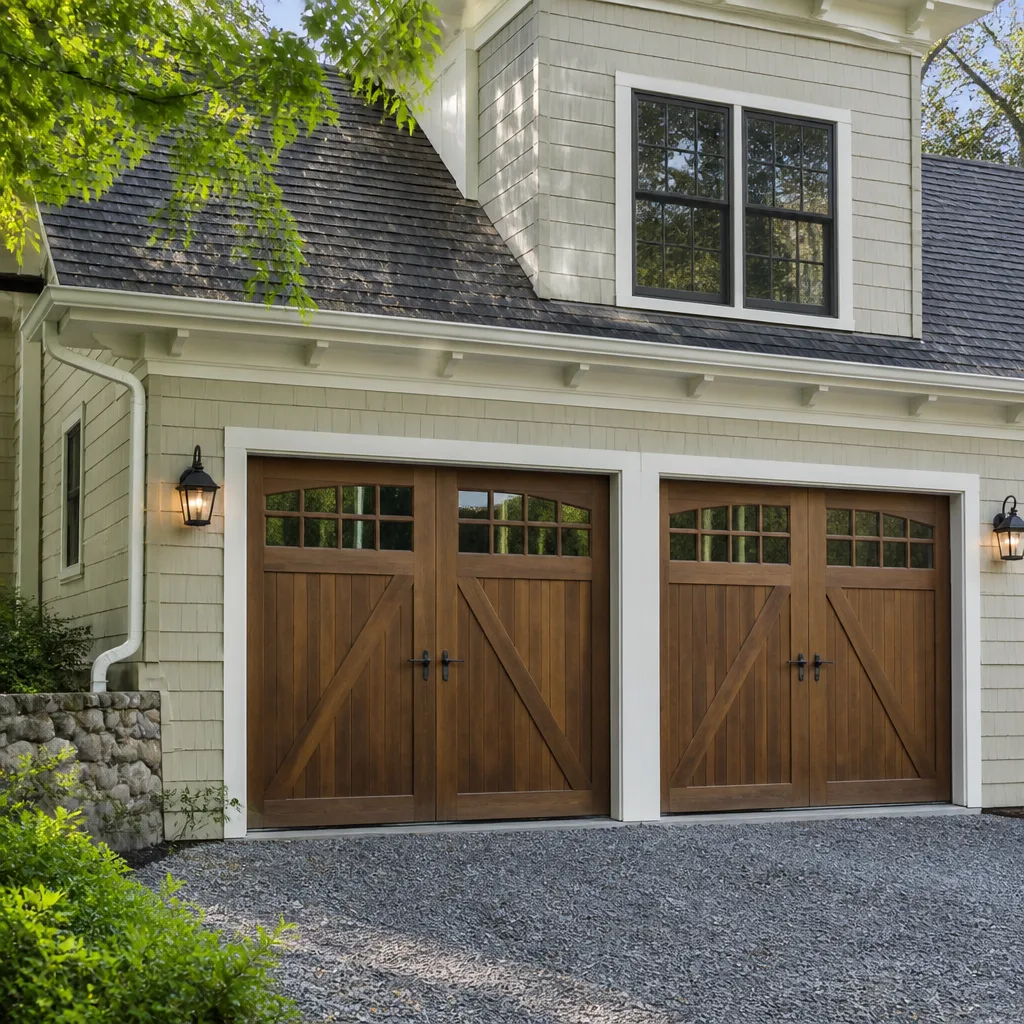 Carriage house
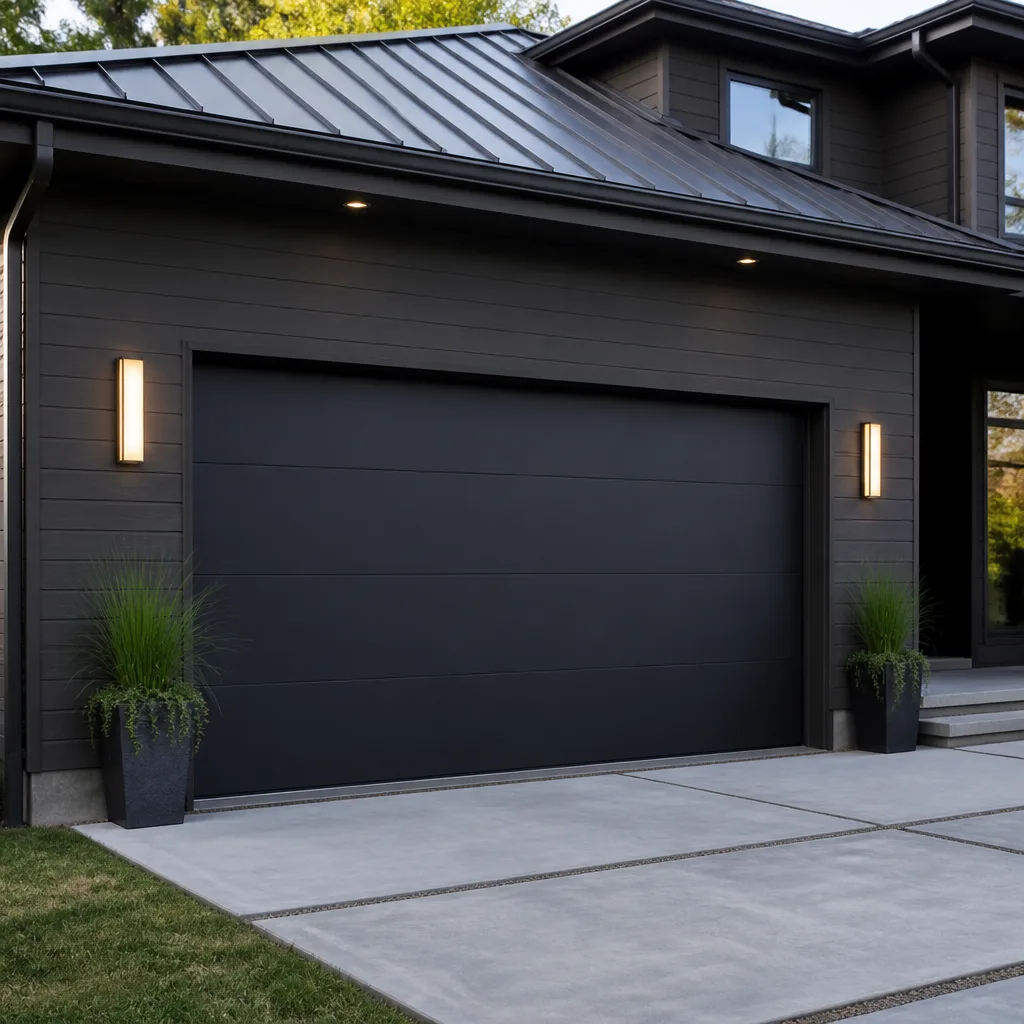 Modern flush
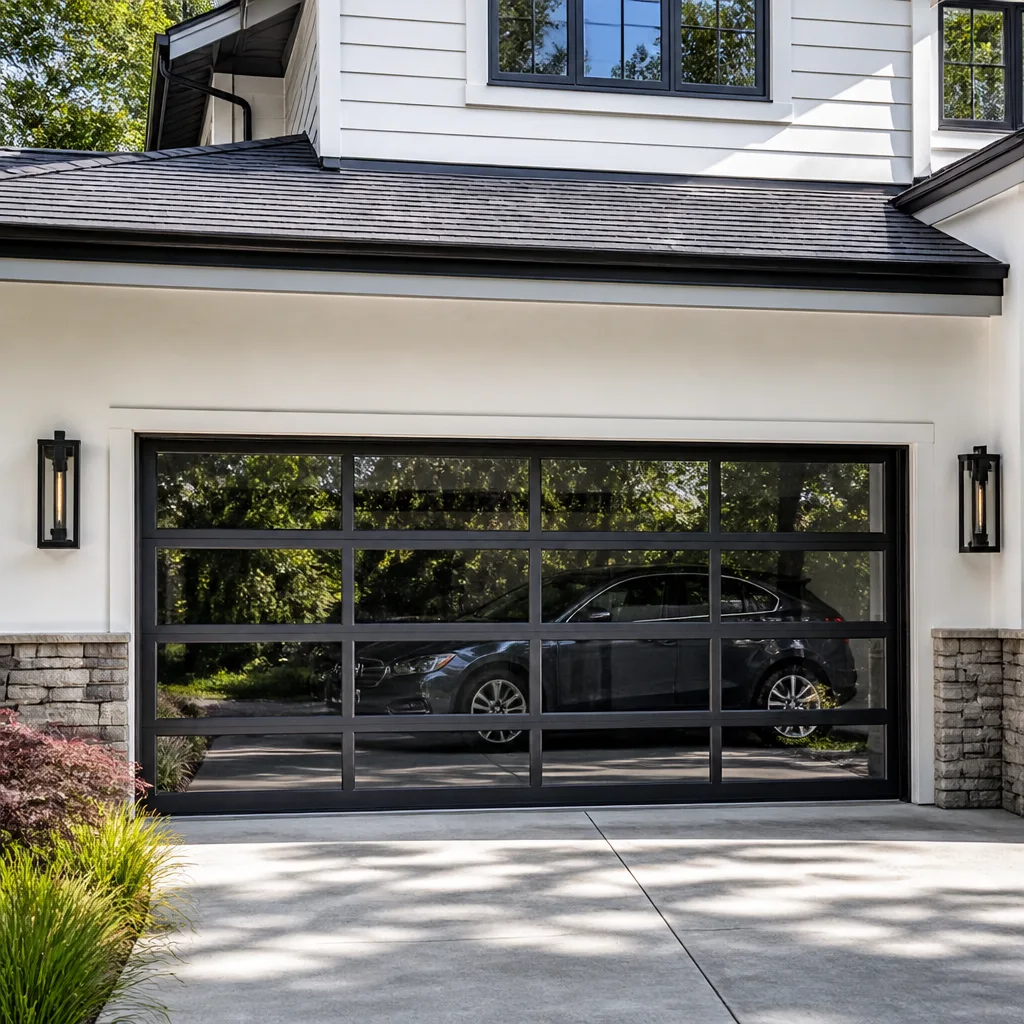 Full-view glass
 LiftMaster openers
 Chamberlain openers
Full 25-point door and opener safety check with every visit - springs, cables, rollers, tracks, and your LiftMaster or Chamberlain opener included
You get a price before we start. It does not change when the pro arrives.
Get your free estimateGarage Door Warning Signs: An Ormond Beach Homeowner’s Reference Guide
A grinding noise and a squealing noise are not the same problem. One is often a simple lubrication issue; the other can mean a roller is worn to the point where the door is riding loose in its track. Homeowners who can tell those two sounds apart save themselves money, because they can describe the actual symptom to a technician instead of accepting a repair they never needed. That’s what this guide does: it maps each warning sign to its most likely mechanical cause in an Ormond Beach home, explains which problems are urgent and which can wait, and shows you how to tell whether the door itself or the opener is the system that’s failing.
Quick Answer
A garage door that is safe and working properly runs quietly, moves smoothly, stays level, and reverses when something blocks its path. The warning signs that matter most in Ormond Beach are unusual sounds (grinding, squealing, popping), a door that jerks or moves unevenly, visible wear on springs, cables, or rollers, and an opener that strains or reverses for no clear reason. Two signs are emergencies: a broken torsion spring and a cable that has come off its drum. Stop using the door and call a professional for either one.
Styles & brands we work with
- Raised-panel steel
- Carriage house
- Modern flush
- Full-view glass
- LiftMaster openers
- Chamberlain openers
Table of Contents
- Symptom-to-Cause: What Your Door Is Trying to Tell You
- The Two Signs That Are Always Emergencies
- Surface Wear vs. Structural Failure: Telling Them Apart
- Why Photo-Eye Sensors Misbehave in Summer
- Opener Problem or Door Problem? How to Tell
- Noise Diagnostics: Grinding, Squealing, and Popping
- When to Call a Professional
Symptom-to-Cause: What Your Door Is Trying to Tell You
The fastest way to avoid an unnecessary repair is to name the symptom precisely. “It sounds bad” turns into a replace-the-opener conversation. “It squeals during the first two feet of travel and stops” turns into a lubrication and roller check. The table below maps the most common warning signs to their likely mechanical source, ordered from minor to urgent.
- Squealing during travel – dry rollers, hinges, or torsion bar bearings that need lubrication. Rarely structural.
- Grinding when opening – worn rollers sliding rather than rolling, or a torsion bar binding inside a bearing plate.
- Loud popping or snapping – the classic sign of a torsion spring that has broken or has partially fractured.
- Door moves unevenly, one side higher than the other – a stretched or off-drum cable, or a failing spring on one side.
- Door jerks or shudders when moving – binding track, bent section, or a tired opener straining against a heavy door.
- Door reverses immediately after touching the floor – misaligned limit settings on the opener or a travel adjustment.
- Door won’t open, but the opener motor hums – broken spring or disconnected carriage; the motor runs without lifting anything.
- Door hangs low on one side – a cable has come off its drum. Stop using the door.
- Visible gap or sag in a panel – damaged panel bracket or bent hinge that needs replacement before it drops.
In our experience around Ormond Beach, the most common false alarm is the “grinding” complaint that turns out to be dry rollers. Most homeowners assume the worst because the sound is loud. It rarely means the door is about to fall. Squealing and grinding are problems of lubrication and roller wear. Popping is the sound that should make you stop and look. If your symptom doesn’t match a row in the table, or you’re not sure whether the fix is minor or structural, our garage door repair team can diagnose it on-site with a free estimate.
The Two Signs That Are Always Emergencies
A broken torsion spring and a cable that has jumped off its drum are the only two warning signs that require you to stop using the door immediately. Both conditions can cause the door to come down uncontrolled, and both involve stored mechanical energy that is genuinely dangerous to handle without training and the right tools.
1. A broken torsion spring
Torsion springs sit horizontally above the door and are wound under tension. When one breaks, you usually hear a sharp snap, and the door becomes either too heavy to lift or slams down too fast. Never try to lift a door with a broken spring by hand to test how bad it is. The weight is the spring’s job, and the door can drop without warning. Leave it closed and call for service.
2. A cable off the drum
Cables run from the bottom corners of the door up to the drums at the top of the torsion bar. A cable that has jumped off its drum, or has snapped, will leave the door hanging visibly low on one side, and the door can crash down. This is not a repair you can defer. Do not open, close, or manually force the door while a cable is off.
At a home in Ormond Beach, the practical response is the same either way. Don’t operate the door, don’t try to re-set it, and call (855) 645-1112. We answer 24/7. Fast dispatch from 7am to 7pm. When we arrive, we’ll confirm the failure, quote the repair, and only then begin work. Spring replacement is one of our core offerings, and our technicians have up to 10 years of experience handling torsion and extension systems. If you’re already sure a spring has failed, you can read more on our garage door spring repair page before you call.
Surface Wear vs. Structural Failure: Telling Them Apart
In Ormond Beach, humid summers and salt in the air from the nearby Atlantic mean metal hardware rusts faster than it would three hours inland. But not every rust spot means a problem. The distinction that matters is whether the corrosion is surface-level (cosmetic and often deferred) or whether it has begun to eat into the load-bearing parts (structural and urgent). Here’s how to separate them without a technician present:
- Surface wear: light orange discoloration on painted door panels, dusting of rust on hinge faceplates, or a brown film on track edges. Cosmetically ugly, mechanically harmless.
- Structural danger: pitting and flaking metal on a torsion spring coil, rusted-through drum edges, pitted cable strands, or a visibly thinning hinge where the roller pin sits.
The test is simple. Look for depth. Run a rag over the affected surface: if the metal underneath is smooth, the corrosion is on the paint. If a fingernail catches on a crater, the metal is thinning. On springs and cables, even light pitting matters, since those parts carry the entire door weight. Springs and cables with pitting should be replaced. Painted panels with surface rust can usually wait for a repaint.
The rollers are the other place Ormond Beach homeowners see rust-related wear. Steel rollers rust along the bearing race, which is why the door starts squealing. Nylon rollers don’t rust, which is one reason they’re a common upgrade in this climate. When corrosion is widespread across multiple moving parts, replacing them in one job is cheaper than replacing them piecemeal. That’s part of why a full inspection matters: we’d rather tell you one clear list than three separate trips.
Why Photo-Eye Sensors Misbehave in Summer
Photo-eye sensors are the two little lenses mounted at the bottom of each door track, about six inches above the floor. They shoot an invisible beam across the opening. If the beam breaks while the door is closing, the opener reverses. In Ormond Beach, sensor complaints spike in summer, and the reason is rarely mysterious: heat, humidity, and afternoon sun.
The three-step test before you call
- Wipe both lenses. A film of coastal humidity dust and pollen builds up on the plastic, and a single finger swipe fixes most false reverses. Use a dry cloth, not a wet one.
- Check alignment. Each unit has a small LED that stays solid when the beam is aligned and blinks when it isn’t. If either blinks, gently nudge that sensor until it holds steady.
- Test the door. With nothing in the path, run the door through a full open and close cycle. If it reverses or refuses to close, note whether the LED blinks during the cycle.
If all three steps pass and the door still reverses, the issue is usually the opener’s logic board or a failing sensor wire, not the sensor itself. That’s the point to call. Direct afternoon sun is another cause: a sensor aimed into the western sun during a summer afternoon can read the sunlight as a blocked beam. A small sun shield fixes it. If the door won’t close and you’re not sure why, our team handles garage door opener repair and can test the whole circuit with a free estimate.
Opener Problem or Door Problem? How to Tell
Half the calls we take start with the homeowner wondering whether the opener is failing or the door is. The answer matters because the two systems have very different price points, and replacing an opener that’s fine is money thrown away. Here’s the quick diagnostic:
- Pull the emergency release. With the door closed, pull the red handle to disconnect the opener from the door. You can now operate the door by hand and see how it actually feels.
- Lift it by hand. A correctly balanced door should lift with light, steady force and stay in place at any height when you let go. If it feels heavy, jerks, or drops, the door and its springs are the problem, not the opener.
- Balance the door. Raise it halfway and let go. It should hold. If it slides down, the springs are under-tensioned or worn. If it drifts up, they’re over-tensioned.
- If the door moves easily and evenly by hand, the opener is the more likely culprit: a burnt logic board, a worn gear, or a remote/receiver issue.
This test takes about two minutes and saves a lot of confusion. The opener is a motor. Its job is to push or pull a door that is already balanced and running smoothly. If your door is heavy or binding, an opener of any brand will eventually burn out trying to compensate. We service LiftMaster, Chamberlain, Craftsman, and Raynor systems, along with four other major brands, so the serial number on your existing unit will tell us exactly what we’re working with when you call.
Noise Diagnostics: Grinding, Squealing, and Popping
Sound is the earliest warning sign your door gives you, and it’s the one most homeowners miss. Doors don’t fail silently. They announce the problem hours, days, or weeks before anything breaks. Listening is free.
Grinding
A grinding noise on open is usually worn steel rollers that have stopped rolling and started dragging. The fix is a roller replacement, often combined with a torsion bar bearing check. Left alone, grinding rollers can cut into the track, and that becomes a bigger job.
Squealing
A squeal that starts during the first lift and fades is almost always a dry hinge or dry roller bearing. Lubrication is the first step. If lubrication doesn’t quiet it, the roller has probably worn out and needs replacement. Squealing is one of the cheapest repairs on the list when it’s caught early.
Popping or snapping
A single loud pop followed by a door that won’t lift means a torsion spring has broken. A rhythmic popping or clicking as the door travels usually means a frayed cable catching on the drum or a hinge that has loosened. Either way, it warrants a stop-and-check before the next cycle.
Rattling
Loose hinge bolts, loose top brackets, or a worn carriage bolt. This is a low-risk fix but worth doing because vibration accelerates wear across every other part of the system.
One local note: in Ormond Beach, dry spells of summer heat cause wood-framed door openings to shrink, which can make bolts loosen faster than you’d expect. If your door has started rattling every June, that’s usually why. An annual check of the bolts at the beginning of the season heads it off.
When to Call a Professional
Call a professional immediately for a broken spring, a cable off the drum, a door hanging visibly unevenly, a door that has come off its track, or an opener that runs without lifting the door. Call for service when you have persistent grinding or popping, a door that reverses unpredictably, visible rust pitting on springs or cables, a door that has begun to sag, or any panel that is visibly damaged. Garage door springs carry enough tension to cause serious injury, and a door that comes down uncontrolled can cause worse. If you’re unsure whether a symptom is minor or serious, a two-minute call to a technician settles it, and a free estimate means you’ll know the price before any work starts. Ormond Beach Garage Door Repair Pros offers free estimates in Ormond Beach, call (855) 645-1112. We answer 24/7. Fast dispatch from 7am to 7pm.
If you’d like a sense of how the repair will be priced, our Ormond Beach Garage Door Repair Pros home page lays out what each service covers and how we set the written quote before any work begins.
See the difference
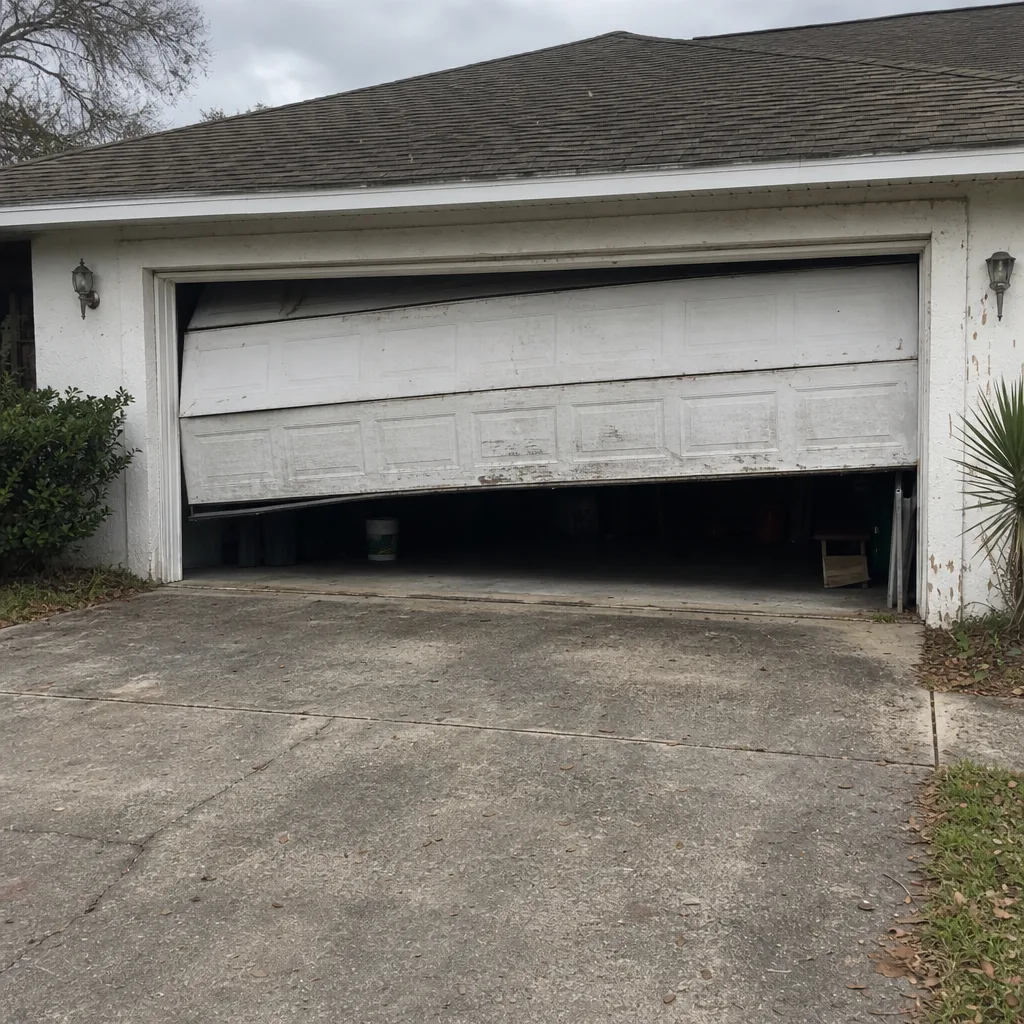 Before
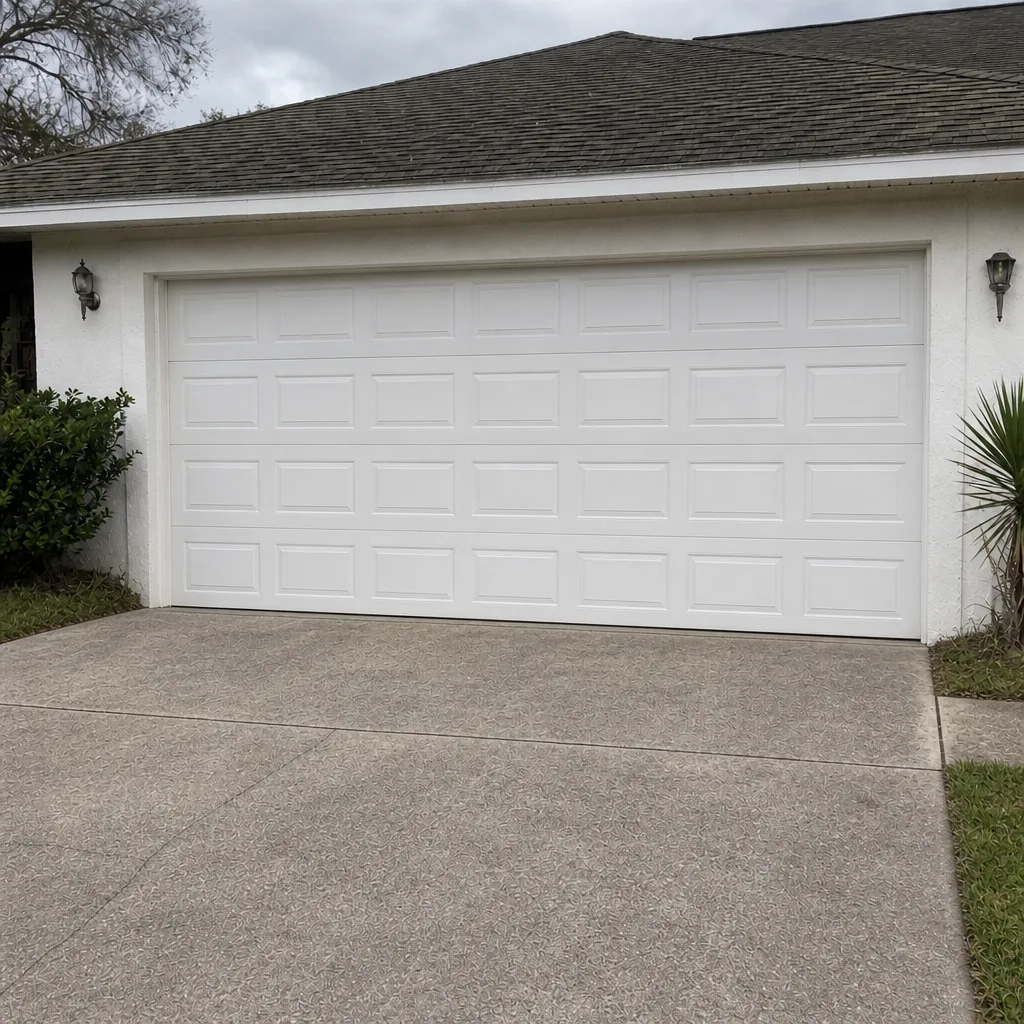 After
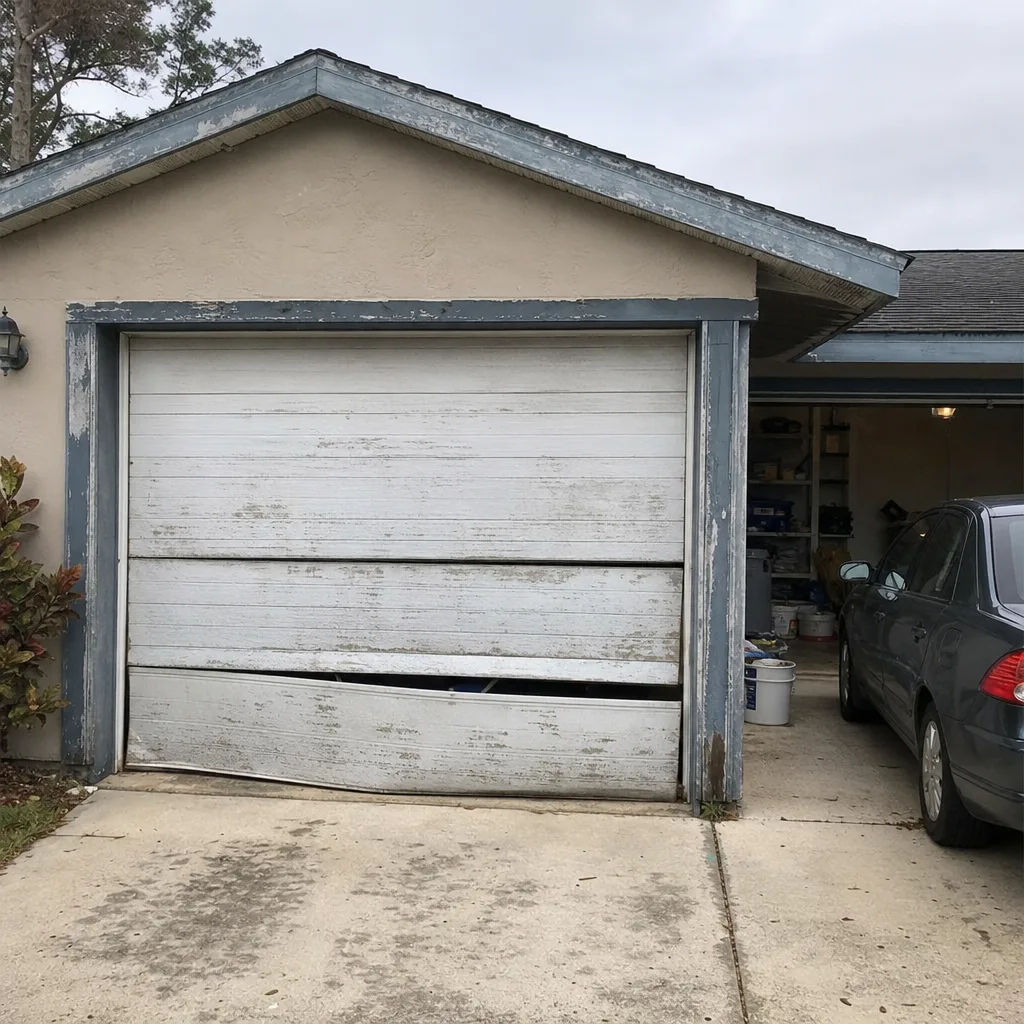 Before
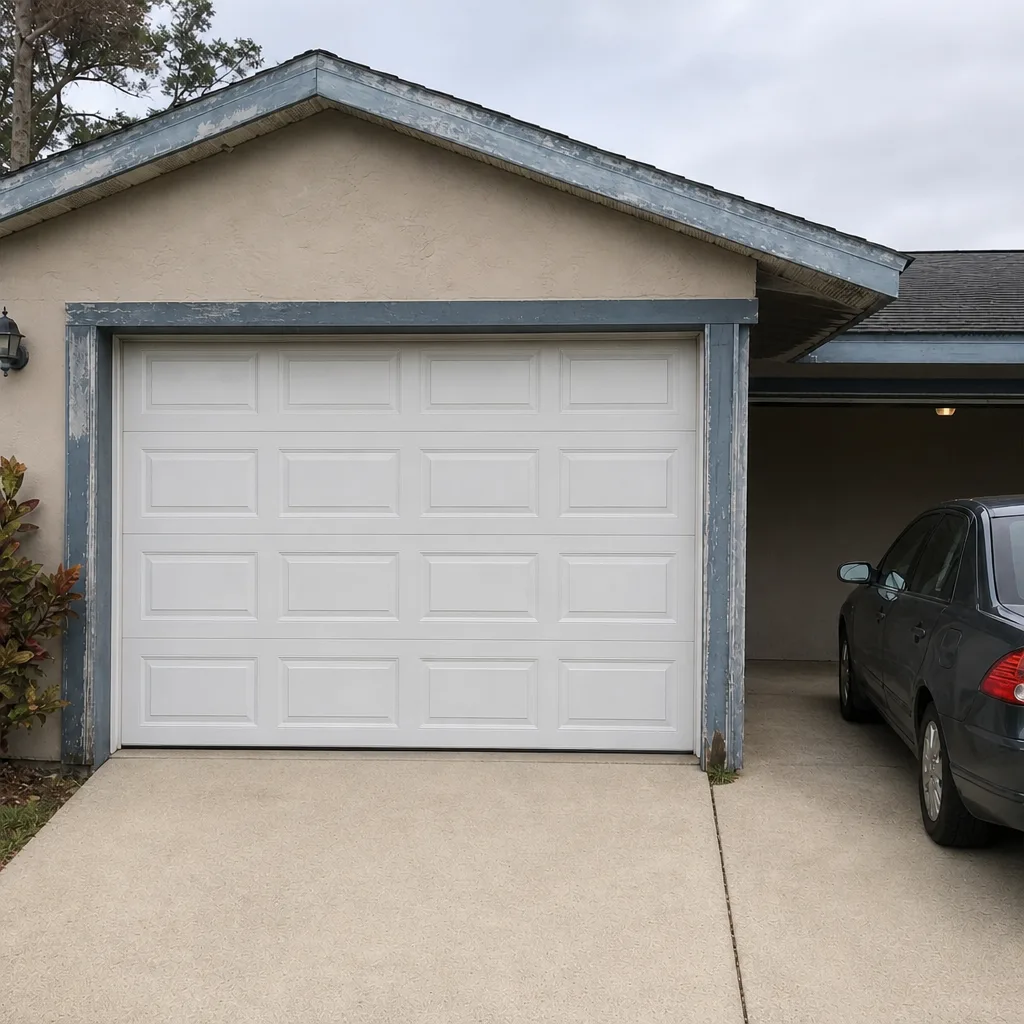 After
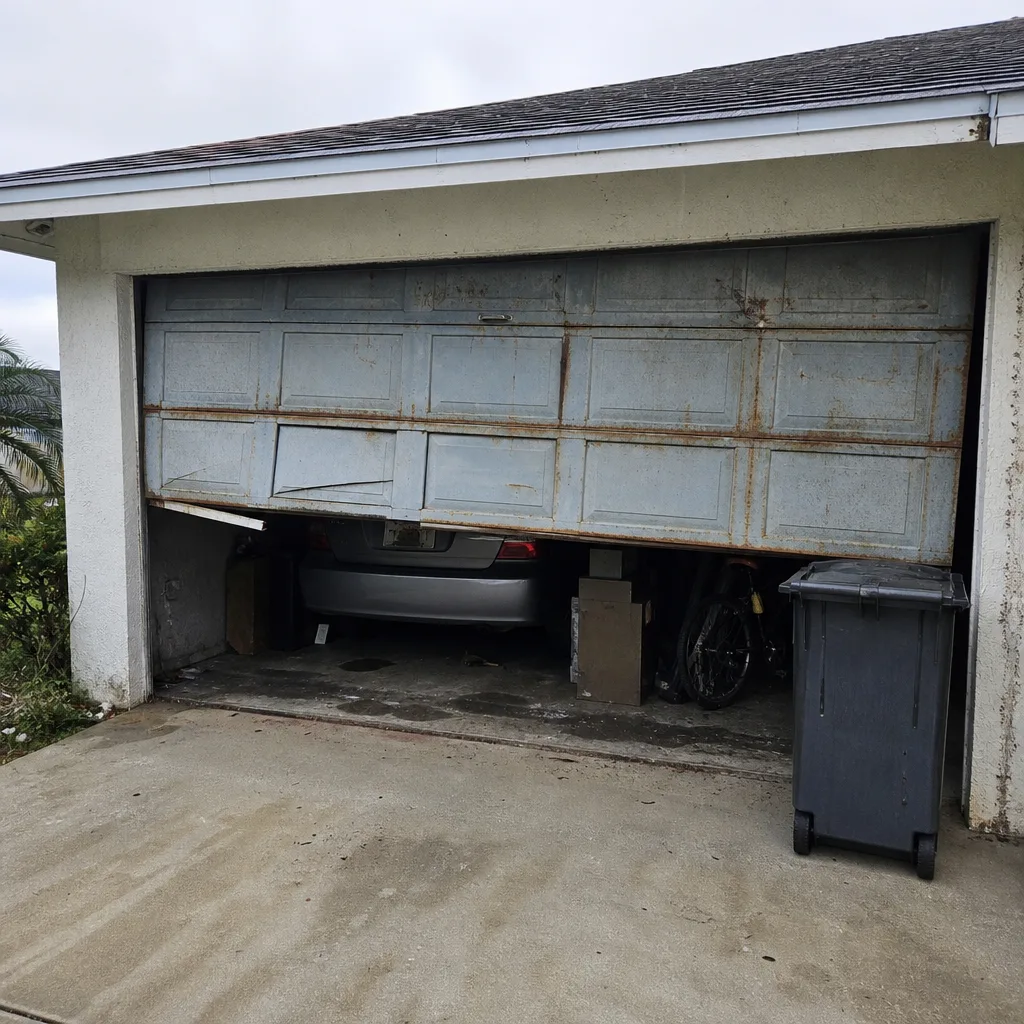 Before
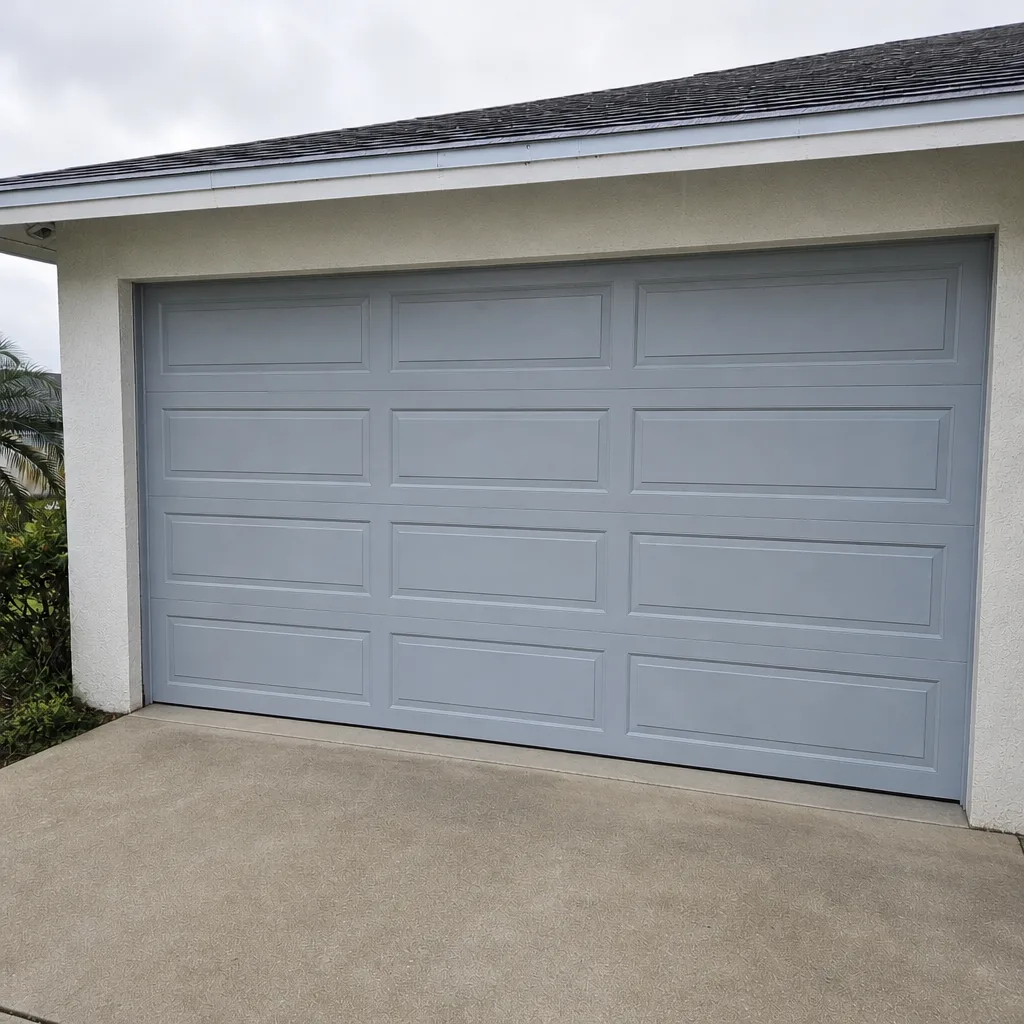 After
Common Mistakes to Avoid
- Assuming a loud door needs a new opener. The opener is the most expensive part of the system, and the noisiest symptom often comes from a $20 roller. Run the manual release test first.
- Winding a torsion spring yourself. Torsion springs are under hundreds of pounds of tension. Homeowners who’ve tried have been seriously injured. This is not a DIY repair, and the correct tools aren’t stocked at any home improvement store.
- Spraying WD-40 on the torsion bar. It’s a penetrant, not a lubricant. It thins existing grease and lets rollers wear faster. Use a purpose-made garage door lubricant.
- Ignoring rust pitting on a spring because the door still works. A spring with pitting can fail without warning. Surface rust on panels is different from pitting on load-bearing hardware.
- Blocking a photo-eye with a trash can or broom. It’s tempting when the door won’t close. The sensor is doing its job. Bypass it and you’ve disabled a safety feature that stops the door on children and pets.
- Deferring a slight door sag. A door that hangs one inch lower on one side can drop off the track within a week. In Ormond Beach’s humidity, cable stretch accelerates, so check it sooner rather than later.
- Calling a general handyman for a spring. A handyman is not insured for garage door work, and a re-set torsion spring done wrong can fail on the next cycle. Have a garage-door specialist handle spring and cable work.
Frequently Asked Questions
The most important are a broken torsion spring, a cable off its drum, a door moving unevenly or hanging low on one side, unusual grinding or popping noises, and an opener that strains or reverses for no reason. Stop using the door immediately for the first two. Call (855) 645-1112 for an exact quote on any repair, estimates are free.
No. Torsion springs are wound under extreme tension, and a mistake can cause serious injury or death. Even experienced handymen should not attempt it. The correct repair requires training, specialized winding bars, and spring rated for your specific door weight. Call (855) 645-1112 if you suspect a broken spring, we handle spring work as a core service.
A randomly reversing door is almost always a photo-eye sensor issue, a misaligned safety beam, or a misadjusted travel limit. In Ormond Beach, sensor complaints spike in summer because humidity, pollen, and afternoon sun interfere with the beam. Wipe the lenses and check the alignment LEDs before calling. If the door still reverses, the opener’s logic board may be due. Call (855) 645-1112 to schedule a diagnostic, estimates are free.
Pull the emergency release and lift the door by hand. If it’s heavy, jerks, or drops from the halfway position, the problem is the door or its springs. If it moves easily and evenly, the opener is the more likely culprit. Call (855) 645-1112 to have the exact system diagnosed, the price is set in writing before any work starts.
Usually, yes. Grinding on open is most often worn steel rollers, and roller replacement is one of the lowest-cost garage door repairs. If grinding has been ignored long enough to score the track, the job grows. Call (855) 645-1112 for a written estimate and we’ll tell you exactly which one you’re looking at.
Most likely yes. We service eight of the most widely installed garage door and opener brands, including LiftMaster, Chamberlain, Craftsman, and Raynor, along with Clopay, Amarr, Genie, and Wayne Dalton. When you call (855) 645-1112, the model information on your door or opener will tell us exactly what we’re dealing with. Estimates are free.
The Bottom Line
Most garage door warning signs are cheap to fix when they’re caught early and expensive to ignore. Grinding is usually a roller. Squealing is usually lubrication. Popping signals a spring, and a cable off its drum is always an emergency. In Ormond Beach’s summer humidity, rust pitting on load-bearing parts, photo-eye sensor interference, and loose bolts on the door frame are the local factors to watch. Learn to hear the difference, stop using the door when a spring or cable is involved, and don’t let a generalist touch mechanical parts a specialist should handle. When in doubt, call (855) 645-1112. We answer 24/7. Fast dispatch from 7am to 7pm.
Written by the team at Ormond Beach Garage Door Repair Pros.