
Last updated November 22, 2026
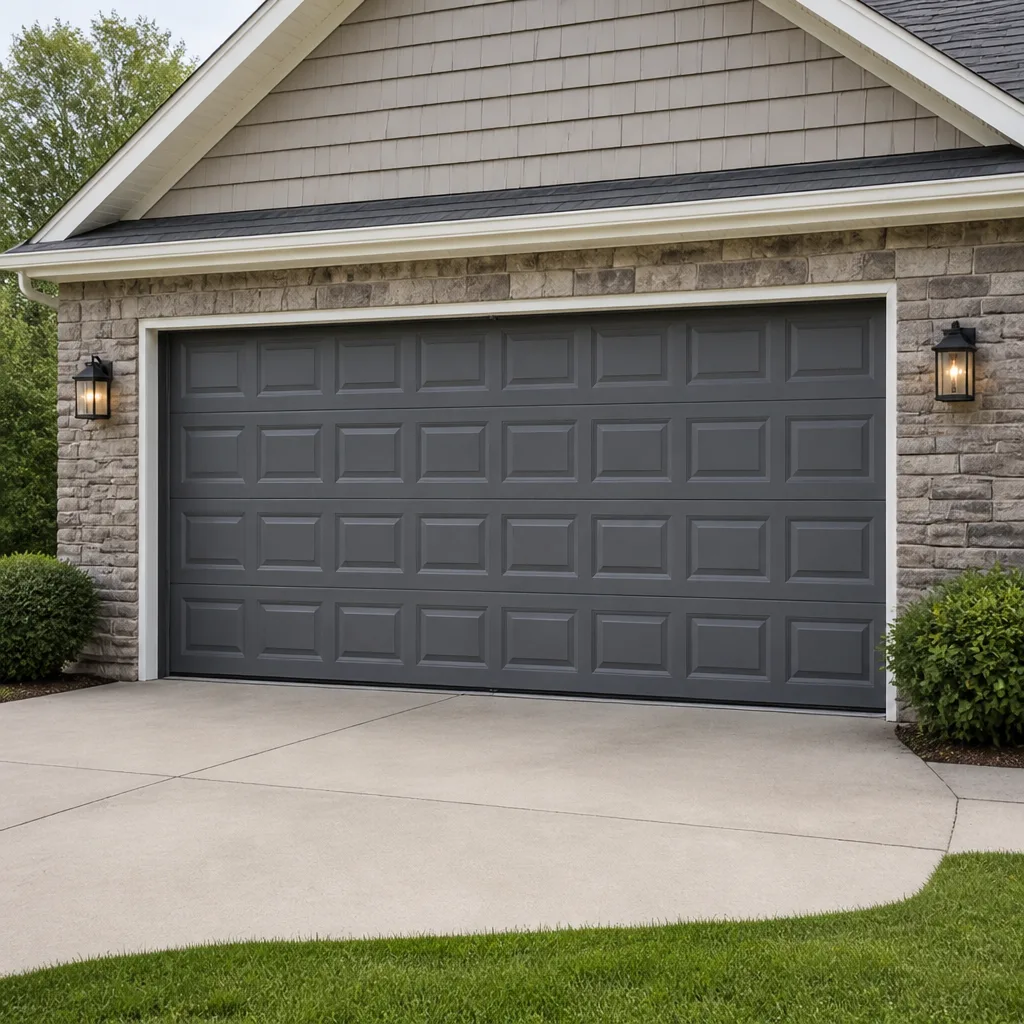 Raised-panel steel
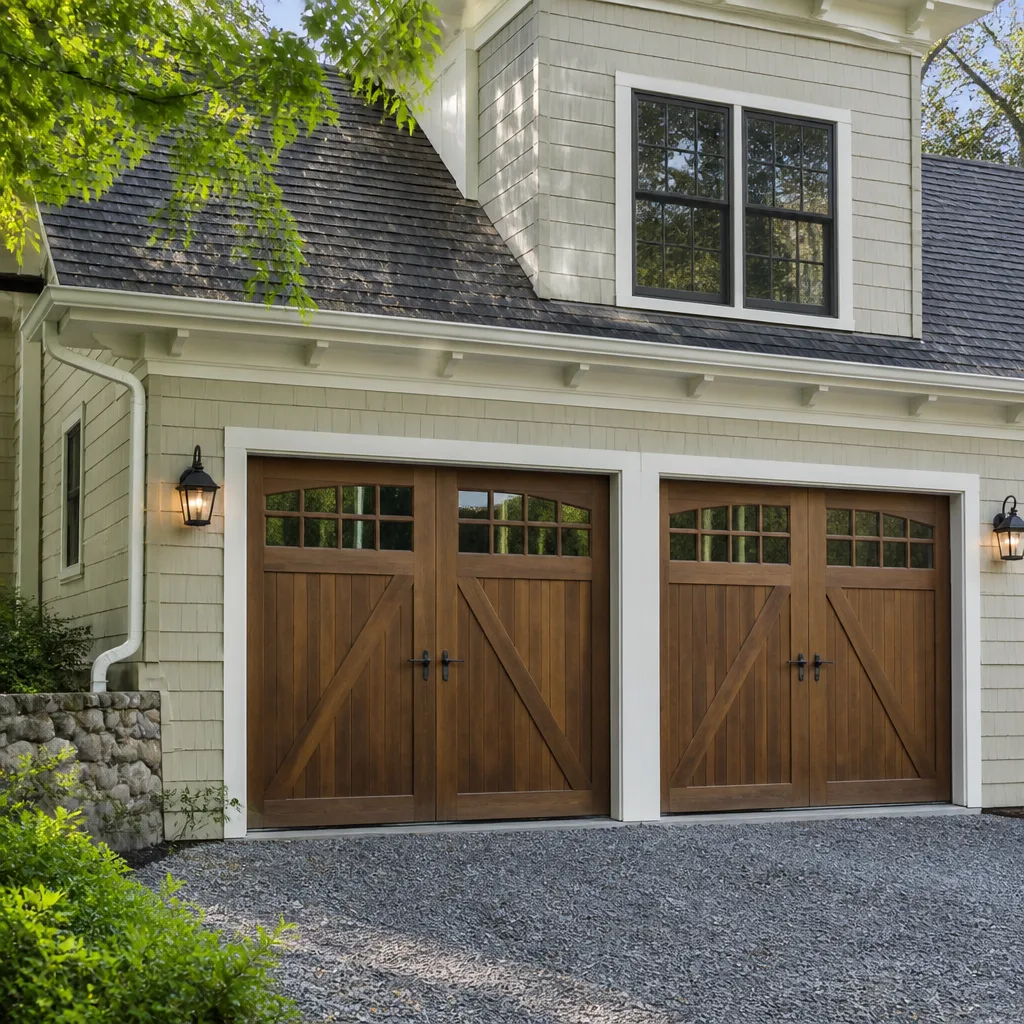 Carriage house
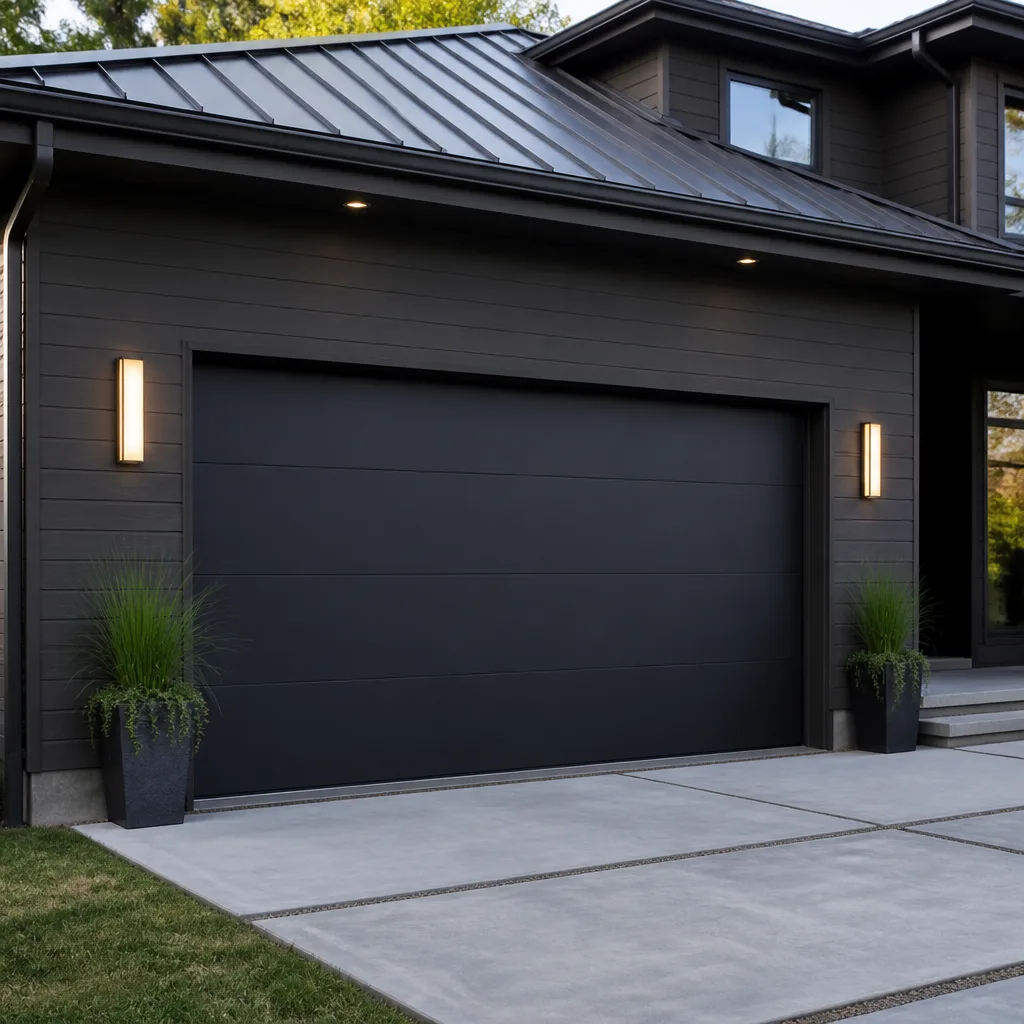 Modern flush
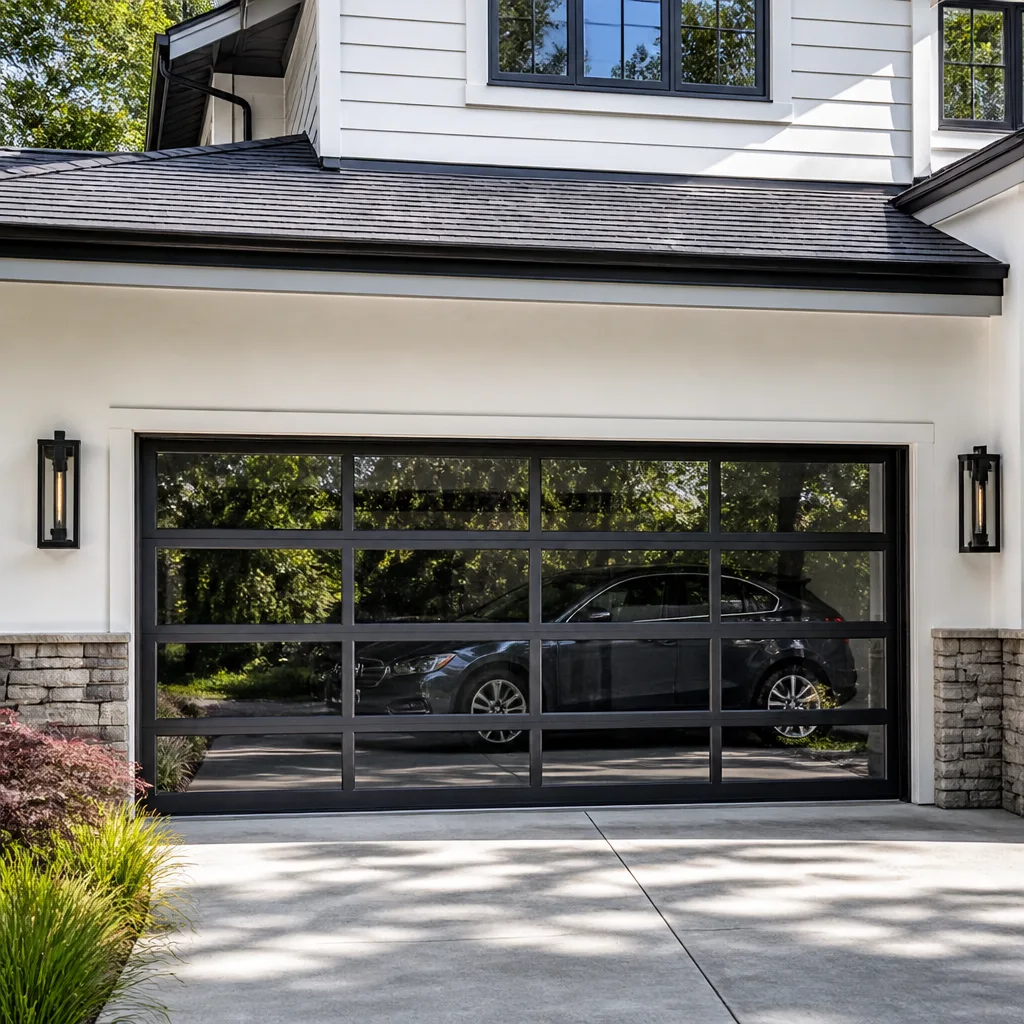 Full-view glass
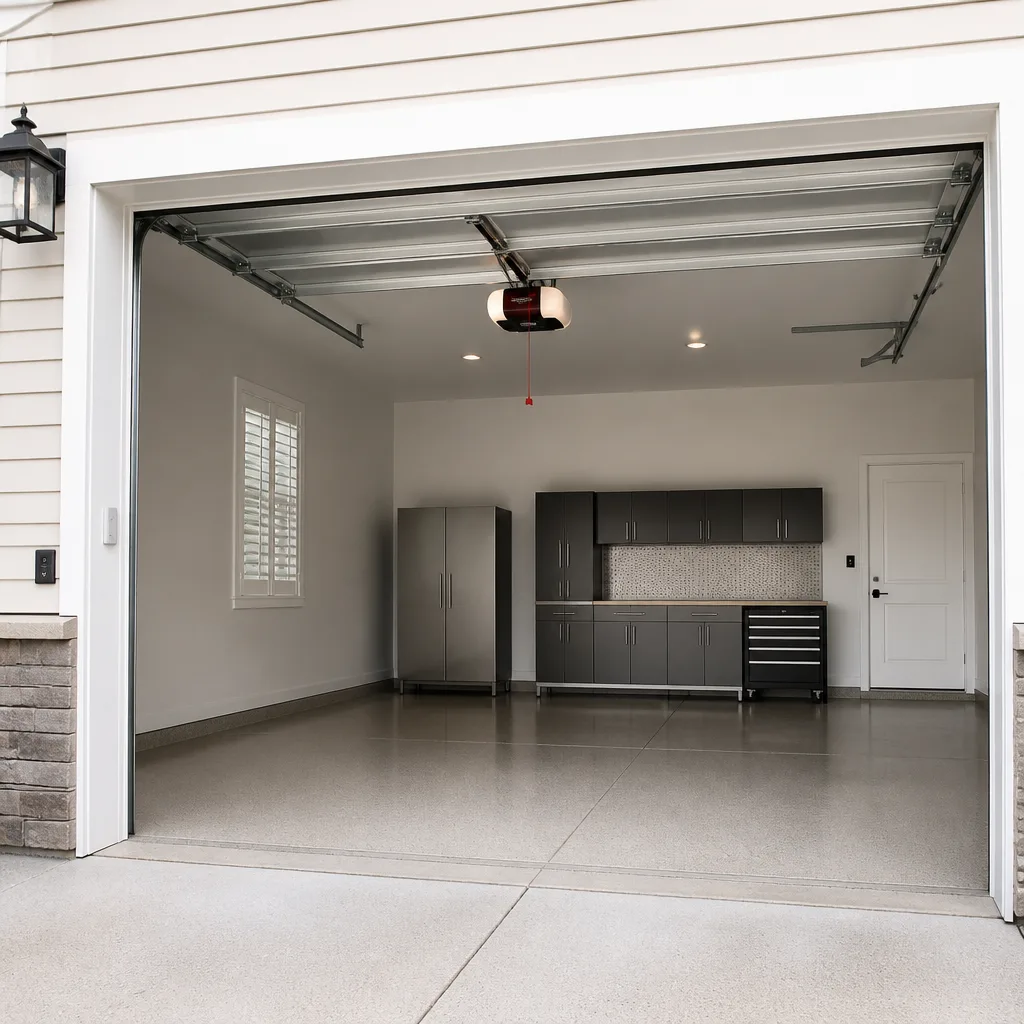 LiftMaster openers
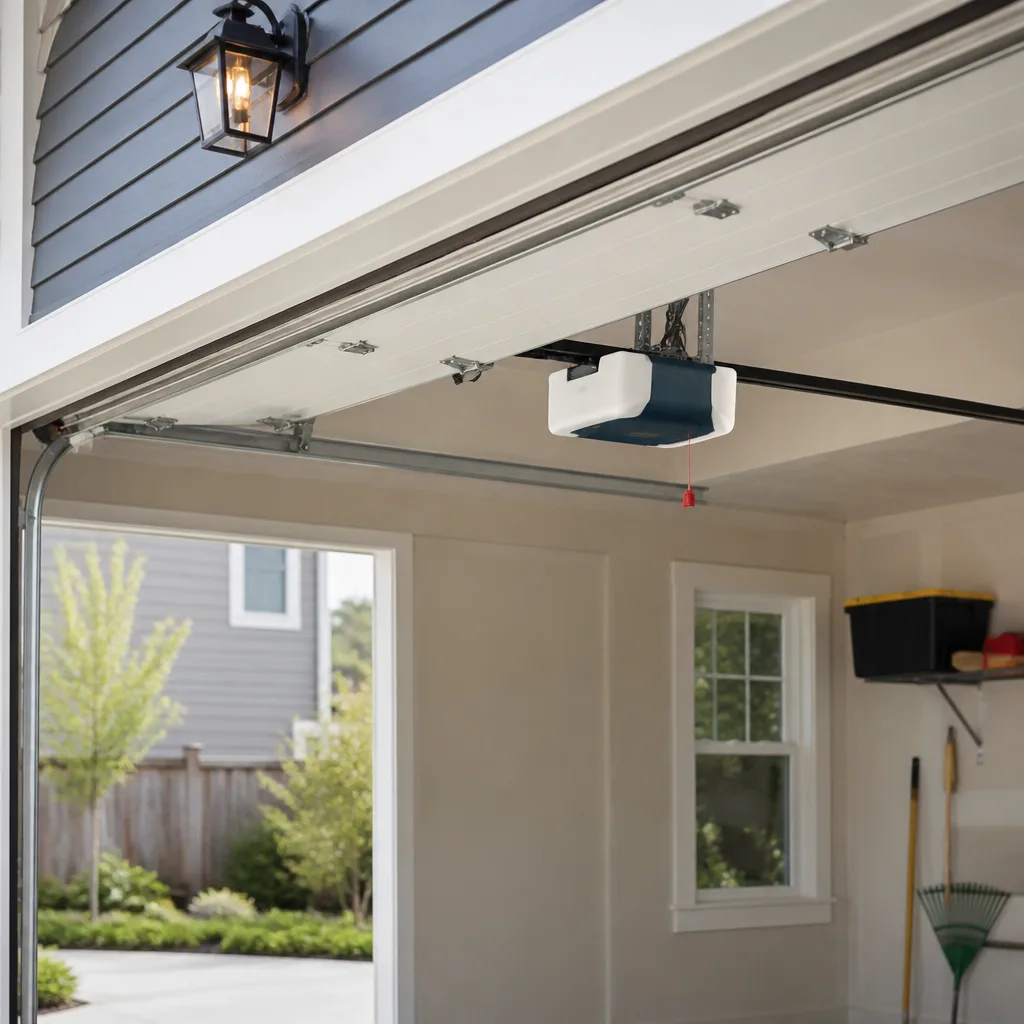 Chamberlain openers
Full 25-point door and opener safety check with every visit - springs, cables, rollers, tracks, and your LiftMaster or Chamberlain opener included
You get a price before we start. It does not change when the pro arrives.
Get your free estimateThe Complete Guide to Garage Doors in Ormond Beach
Most complete garage door guides are written for a climate with four real seasons. If you live in Ormond Beach, the rules are different. Humidity, salt air off the Halifax, and storm-season pressure shape everything about how a door ages, how it should be built, and what the code requires. A door that’s perfectly fine two states north can be the wrong door here. In this guide, we’ll walk through how coastal conditions wear on springs, tracks, and hardware; what wind-rated approval means in Florida; which constructions actually hold up in Volusia County; why door openings here sometimes don’t match the national sizing you’ll read about online; and what a garage door really costs to own over its life in Ormond Beach.
Quick Answer
A garage door in Ormond Beach has to handle more than daily use: humidity, airborne salt, and hurricane-season wind ratings all affect how long the door, springs, and hardware last. Buy or spec a door that’s wind-rated where your home requires it, choose hot-dip galvanized or stainless hardware over painted steel, and plan on more frequent lubrication and hardware checks than inland homeowners do. If your current door groans, sticks, or shows rust at the hinges, those are early signals worth acting on before a small repair becomes a full replacement.
Styles & brands we work with
- Raised-panel steel
- Carriage house
- Modern flush
- Full-view glass
- LiftMaster openers
- Chamberlain openers
Table of Contents
- How Ormond Beach’s Humid, Salt-Laden Air Changes Garage Door Wear
- Wind-Rated Doors and Florida Product Approval: What Homeowners Need to Know
- Materials and Constructions That Perform Best in Volusia County
- Why Garage Door Sizing in Ormond Beach Often Differs From National Standards
- Springs: The Part of Your Door You Should Never Touch
- Openers in a Humid Climate: What Lasts, What Fails, What to Check
- Lifecycle Cost Comparison: What a Door Really Costs to Own in Ormond Beach
- A Practical Maintenance Calendar for a Coastal Garage Door
How Ormond Beach’s Humid, Salt-Laden Air Changes Garage Door Wear
Garage doors fail differently here than they do in dry or cold climates. Instead of the annual freeze-thaw cycle that works fasteners loose up north, the big forces in Ormond Beach are humidity and salt carried in the air from the ocean. Both attack metal. The combination is what shortens the life of springs, hinges, rollers, and track hardware on doors that weren’t built for it.
What actually happens:
- Painted steel corrodes from the inside out. Humidity gets behind painted surfaces, especially at cut edges and fastener holes, and starts the rust cycle there. You often don’t see it until it shows through.
- Hinges and rollers seize before they wear out. Salt-laden moisture works into hinge pins and roller bearings and turns a smooth pivot into a gritty one.
- Spring wire pits. Torsion and extension springs are high-tension steel wire. Pitting concentrates stress, and a pitted spring fails sooner than a clean one.
- Weather seals harden and crack. UV and humidity break down the bottom seal and perimeter seals faster than in cooler climates, and a broken seal lets even more moisture and pests in.
- Wood components swell and twist. Older doors with wood sections absorb humidity unevenly, which stresses joints and can throw the door out of balance.
The takeaway for an Ormond Beach homeowner is not to panic about rust. It’s to plan for more preventive attention than a homeowner in a dry climate needs, and to choose hardware that tolerates moisture rather than fighting it. If you’re not sure whether what you’re seeing is cosmetic or structural, a professional inspection is worth it. Our Ormond Beach Garage Door Repair Pros team can look at your hardware and give you a straight answer.
Wind-Rated Doors and Florida Product Approval: What Homeowners Need to Know
Florida treats garage doors as part of a home’s building envelope, which means the door has to be rated for the wind loads it will actually see. In many parts of the state, and in many Ormond Beach neighborhoods, a door replacement requires a wind-rated product with Florida Product Approval (FPA) or an approved evaluation report, together with the correct anchoring and reinforcement. A door that’s “fine in Georgia” is not automatically code-legal here.
Here’s how the pattern usually works. Before you buy:
- Check with your local building department first. Requirements vary by jurisdiction and by the age and construction of the home. The city’s building department is the authority on what your specific property needs.
- Ask for the product’s wind-load rating and approval documents. A wind-rated door comes with documentation showing the design pressure it’s rated for and, where required, its Florida Product Approval number.
- Match the anchoring to the rating. A rated door installed with the wrong brackets, track, or fasteners doesn’t perform like a rated door. The install has to match the product’s approval.
- Keep the paperwork. Your insurance carrier and, if you ever sell, the buyer’s inspector will want to see it.
- Consider the opener, too. Wind-rated doors often require reinforced struts and heavier springs, and the opener has to be rated to lift the heavier assembly.
For replacement and new construction, using a brand with well-documented FPA approvals keeps that paperwork simple. Amarr and Wayne Dalton both produce wind-rated residential lines commonly specified in Florida. If you’re upgrading, ask for the approval documents at the estimate stage, not after the door is on the wall.
Materials and Constructions That Perform Best in Volusia County
Construction matters more here than it does inland. The right door for Volusia County humidity and storm exposure is one that resists moisture at every edge and includes hardware that won’t rust into place within a few seasons.
In our experience working on doors across Ormond Beach, these constructions hold up best:
- Insulated steel with a factory-applied finish. Steel is the most common residential door for good reason: it’s strong, wind-ratable, and light enough for almost any opener. Look for a door built with a baked-on finish and a galvanized or pre-treated skin, and ask about the section construction so humidity can’t get behind the paint.
- Fiberglass and aluminum for salt exposure. Where rust risk is the main concern, fiberglass sections on an aluminum frame resist moisture well. Aluminum frames should still be anodized or powder-coated rather than bare.
- Stainless or hot-dip galvanized hardware. This is the quiet hero of a coastal install. The difference between a standard hinge and a hot-dip galvanized or stainless hinge shows up years later, when the standard one has frozen and the coated one hasn’t.
- Sealed wood only if you love the look and will maintain it. Wood doors can hold up in Florida if the finish is kept up, but they demand more frequent repainting and sealing than steel or composite.
Among the brands we service, Clopay’s insulated steel lines and Raynor’s commercial-grade residential products both do well in the Southeast; Craftsman and LiftMaster openers are also built for the humidity and dust conditions we see in Florida garages. What matters most is that the door is rated for your wind zone and that the hardware is corrosion-resistant. If you already own a name-brand door and aren’t sure whether it’s the right spec for Ormond Beach, our garage door repair team can check the model and its rating.
Why Garage Door Sizing in Ormond Beach Often Differs From National Standards
National garage door guides assume a modern 16-by-7-foot double door or an 8-by-7 single. In Ormond Beach, that’s not always the reality. Homes built along the older beach corridor and in established neighborhoods often have openings sized to the era and to the builder’s own plan, not to the industry’s standard sizes.
Common realities here:
- Non-standard widths and heights. A door on a mid-century home might be 15 or 17 feet wide, or a 6-foot-8 height rather than the 7-foot standard. Those require a custom-manufactured door, which takes longer and costs more than an off-the-shelf unit.
- Low-headroom garages. Shallow garages and low ceilings can mean a standard-track door won’t fit, and you’ll need low-headroom track or a different opener type.
- Uneven floors and out-of-square openings. Settling and decades of moisture can leave the opening out of plumb, which has to be corrected before a new door goes on.
- Conversions and additions. A garage that was enclosed or extended may have a nonstandard opening that no stock door will close cleanly.
This is why we measure before we quote. A written estimate based on a real measurement is the only reliable way to price an Ormond Beach door, and it’s the price you’ll pay: the written estimate sets the final number, and nothing gets added after the work is done.
Springs: The Part of Your Door You Should Never Touch
Torsion and extension springs are the most dangerous part of any garage door system. They hold the entire weight of the door under tension, and a spring that’s released without the right tools can cause serious injury. We handle them so you don’t have to.
What’s important to know:
- Torsion springs mount on a shaft above the door and do most of the lifting. They’re under severe tension and require winding bars and know-how to adjust or replace safely.
- Extension springs run along the horizontal tracks. They’re the older style and can snap without warning if not properly cabled.
- Spring life is measured in cycles, not years. A door that opens four times a day uses far fewer cycles than one on a busy household. Standard springs have a design cycle life, and the warranty reflects it.
In Ormond Beach, spring wire also contends with humidity and salt-laden air, which can pit the wire and shorten its useful life. If your door feels unusually heavy, the opener strains to lift it, or the door slams down, a spring is a likely culprit. Don’t try to adjust it yourself. A trained technician can diagnose it safely, quote the replacement, and have you back to normal the same day in most cases. Our dedicated garage door spring repair service covers both torsion and extension systems, and the price is agreed before any work starts.
One spring or a pair? Springs are usually replaced in matched pairs because they wear at the same rate. Replacing just one often means the older partner fails soon after, and mismatched springs can unbalance the door. A pair costs about twice the single-spring price, and that’s the honest way to quote it.
Openers in a Humid Climate: What Lasts, What Fails, What to Check
Openers don’t fail overnight. They give signals for weeks before something breaks, and a homeowner who knows those signals usually avoids the worst kind of breakdown: the one with the car inside and the door stuck closed.
Common opener symptoms and what they usually mean:
- Door goes up partway and stops. Often a travel-limit setting or a spring that’s lost tension, not the opener motor.
- Door reverses before closing on the floor. Safety sensors are misaligned or blocked, or the close-force limit needs adjusting.
- Opener runs but door doesn’t move. Usually a stripped gear, a broken spring, or a disconnected trolley.
- Remote works intermittently. Dead battery, interference, or a failing logic board on older units.
- Loud grinding or squealing. Worn gears, dry rollers, or a failing bearing. On a coastal door, hardware corrosion is often behind the noise.
We service LiftMaster, Chamberlain, Genie, Craftsman, and other major openers, so in most cases we can diagnose and repair the unit you already own rather than sell you a new one. For Ormond Beach homes, belt-drive and screw-drive units tend to hold up better than chain-drive in humid garages, because fewer moving parts exposed to moisture means fewer points of failure. If your opener is on its last legs, our garage door opener repair team can tell you whether a repair is the smarter move or whether a replacement is worth the cost. On any repair, the price is quoted and agreed before we touch the unit.
Lifecycle Cost Comparison: What a Door Really Costs to Own in Ormond Beach
Sticker price is only part of what a garage door costs. Over 15 or 20 years, the biggest variable for an Ormond Beach homeowner is how often the hardware has to be replaced because of humidity and salt exposure. A door that costs less up front but uses painted-steel hinges and standard rollers can cost more in replacements than a door that costs more today and uses corrosion-resistant hardware.
Here’s how the cost profile breaks down. These are typical ranges, not quotes. Your written estimate sets your price.
- Basic single-spring replacement: roughly $180 to $340 per spring, with a matched pair running about twice that.
- Hinge and roller replacement (full door set): varies with door size and hardware grade; stainless and hot-dip galvanized hardware costs more but lasts longer in coastal conditions.
- Cable and drum replacement: typically in the lower hundreds, quoted per door after inspection.
- Opener repair: often modest if the unit is fixable; replacement cost depends on drive type and features.
- New door installation: a wind-rated single door typically costs more than an unrated door because of the product and the anchoring. Custom sizing adds cost and lead time.
- Annual preventive maintenance: lubrication, balance check, and hardware inspection, which is the highest-return line item in this list.
Over a 15-year window, a coastal Ormond Beach homeowner who lubricates and inspects yearly typically spends less on unplanned repairs than one who doesn’t, even though they spend a bit more on routine care. Inland homeowners in drier climates can sometimes get away with less. You can’t here. The cost of prevention is small compared to the cost of a door that fails with a car parked under it.
A Practical Maintenance Calendar for a Coastal Garage Door
You don’t need to be handy to keep a garage door healthy in Ormond Beach. You do need to look at it and listen to it, and to know the difference between “needs a bit of oil” and “call someone now.” Here’s a simple way to structure the year.
- Every month. Open and close the door fully and listen. Grinding, scraping, or a door that hesitates should go on the to-do list.
- Every month. Test the safety reversal. Put a small object (a roll of tape works) in the door’s path and confirm the door reverses on contact.
- Every couple of months. Wipe the hinges, rollers, and track with a dry cloth and apply a small amount of garage-door lubricant. Avoid grease, which traps grit.
- Every season. Look for rust spots on the hinges and track, worn bottom seal, and any spring that looks pitted or oily at the coils. Oily residue on a spring often signals a crack.
- Before storm season. Check the door’s wind-rated approval is still documented, inspect the track for loose fasteners, and confirm the door seats flush against the floor without gaps.
- Once a year. Have a technician check spring tension, balance, and opener force settings. This is the single best investment you can make in the life of your door.
None of this requires you to touch a spring or adjust the door’s balance. Those steps belong to a technician. Your job is to notice and to call.
Common Mistakes to Avoid
- Buying a door without checking wind-rating requirements first. Many Ormond Beach homeowners find out after the estimate that their neighborhood requires a wind-rated door. Check with the building department before you order, or have the estimate confirm the rating.
- Replacing only one spring of a matched pair. The old one is already near the end of its life, and mismatched springs put uneven load on the door. Replace the pair.
- Using the wrong lubricant. WD-40 is not a garage door lubricant. It cleans, but it doesn’t stay. Use a proper garage-door lubricant, and skip heavy grease that gum.
- Ignoring a rubbing sound at the track. A track out of alignment is usually a small fix. Left alone, it wears the rollers and can bend the door’s stiles.
- Painting over rust. Rust on a hinge or track is a symptom; painting over it without addressing the moisture source delays the problem and hides it.
- Assuming a national-standard-size door will fit. Older Ormond Beach homes near the beach corridor often have custom openings. Measure before you buy.
- Letting a non-specialist install the door. A garage door is a specialized product: the tension, track geometry, and anchoring all have to match. A generalists’ best effort is often not good enough, and re-doing the install costs more than getting it right the first time.
See the difference
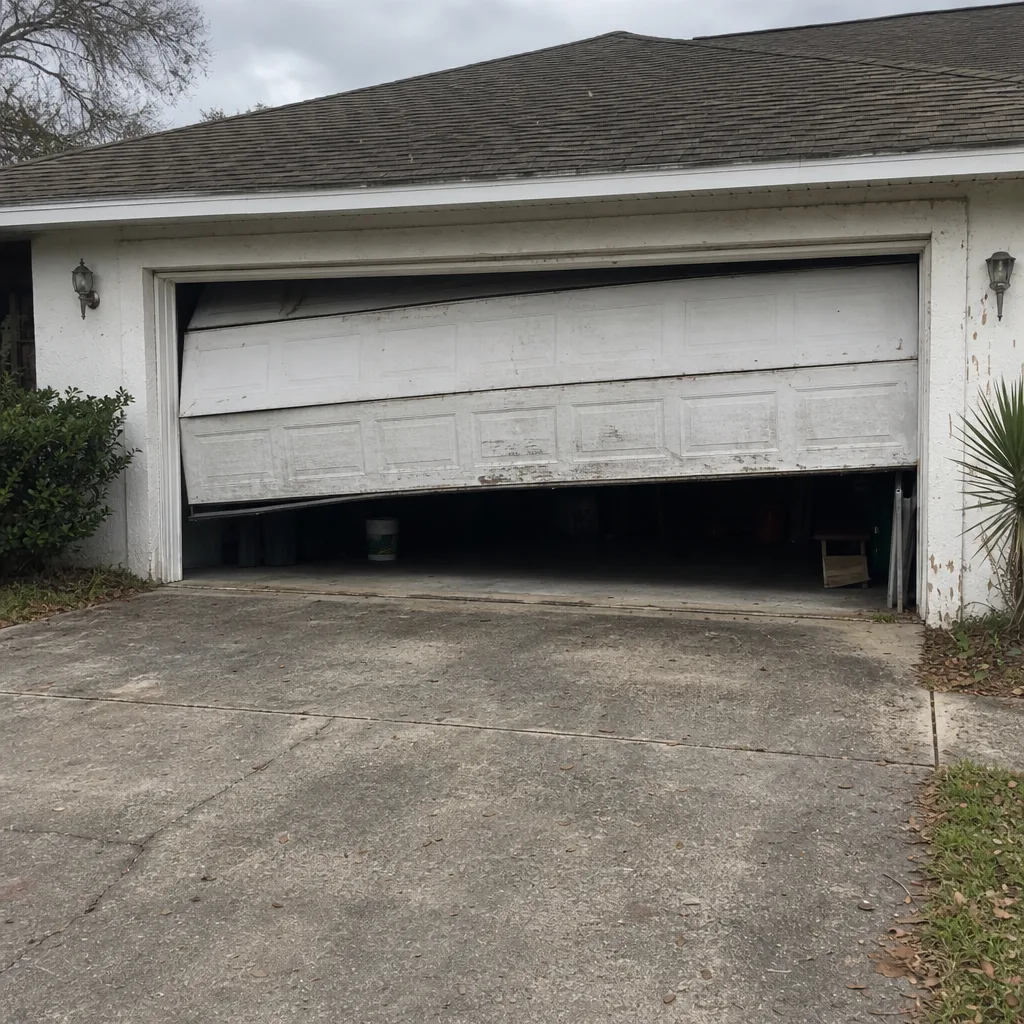 Before
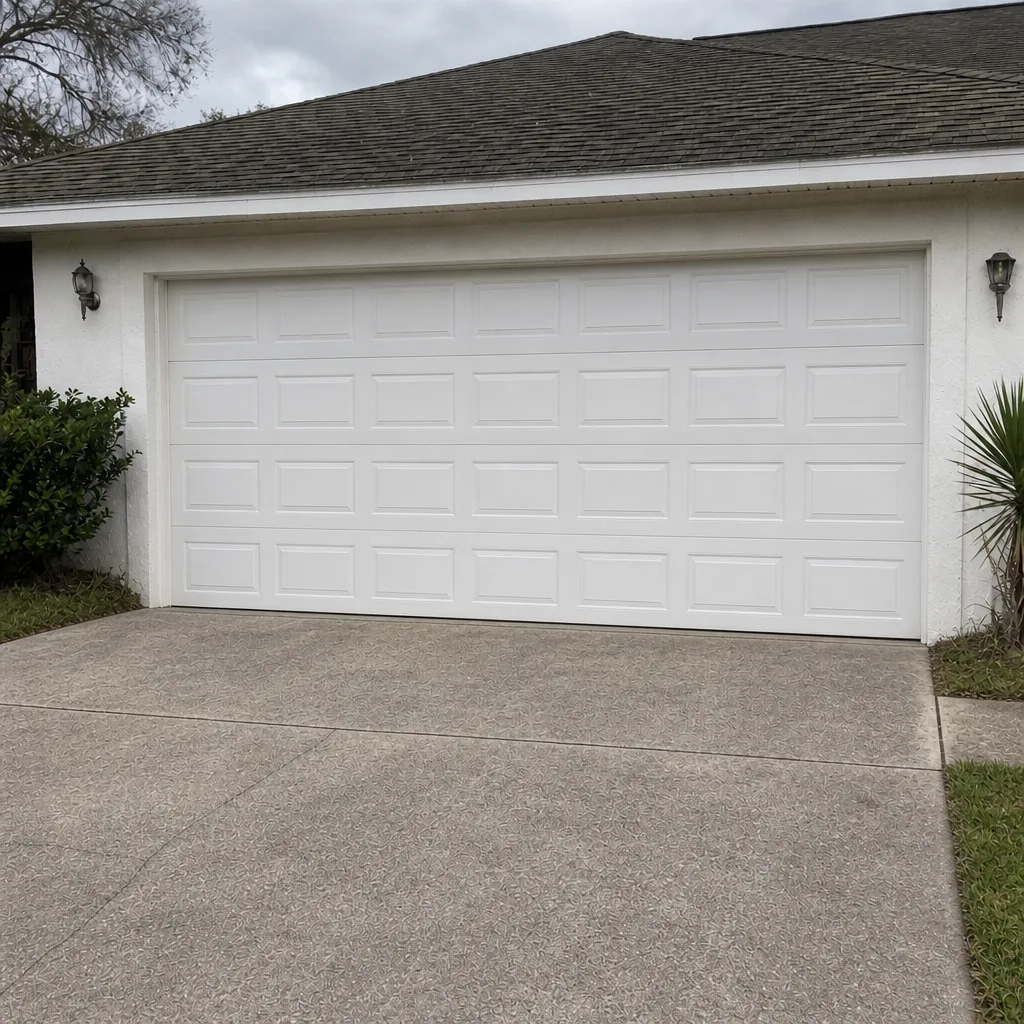 After
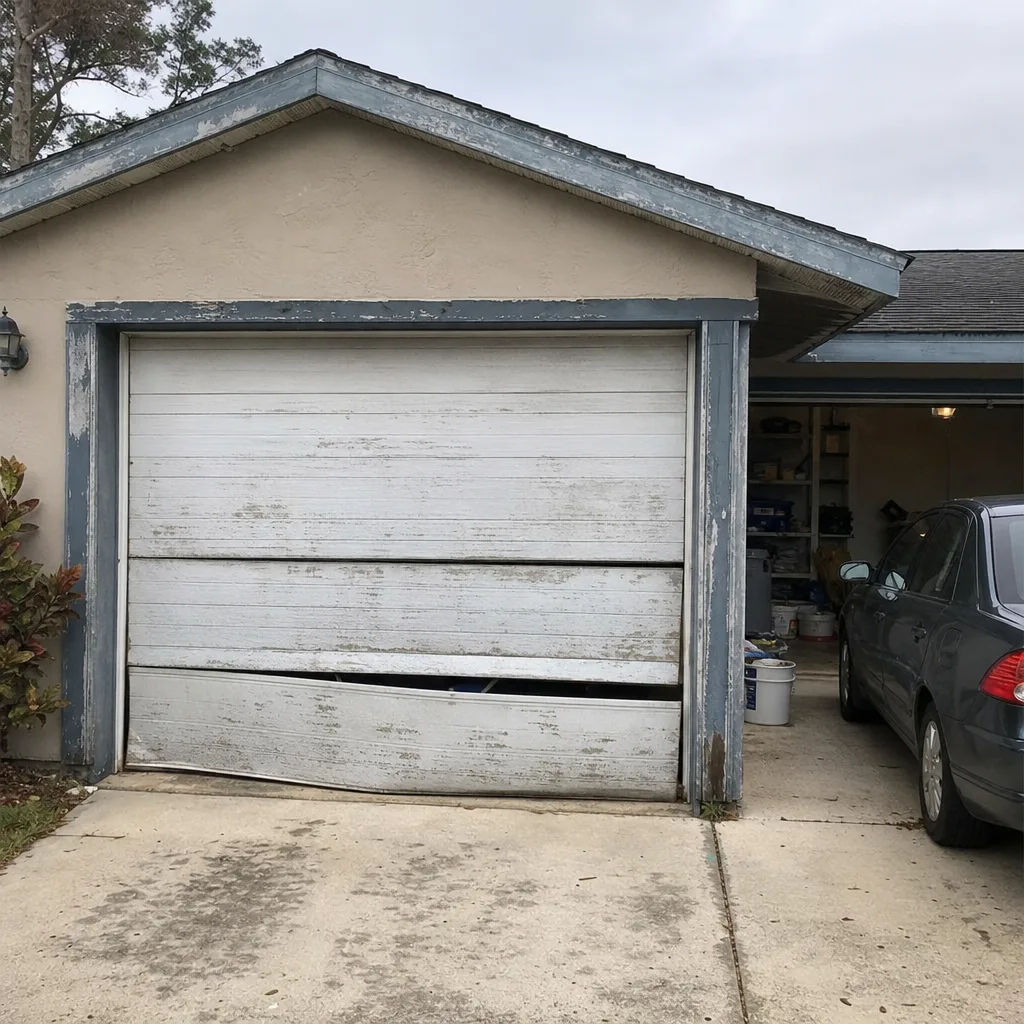 Before
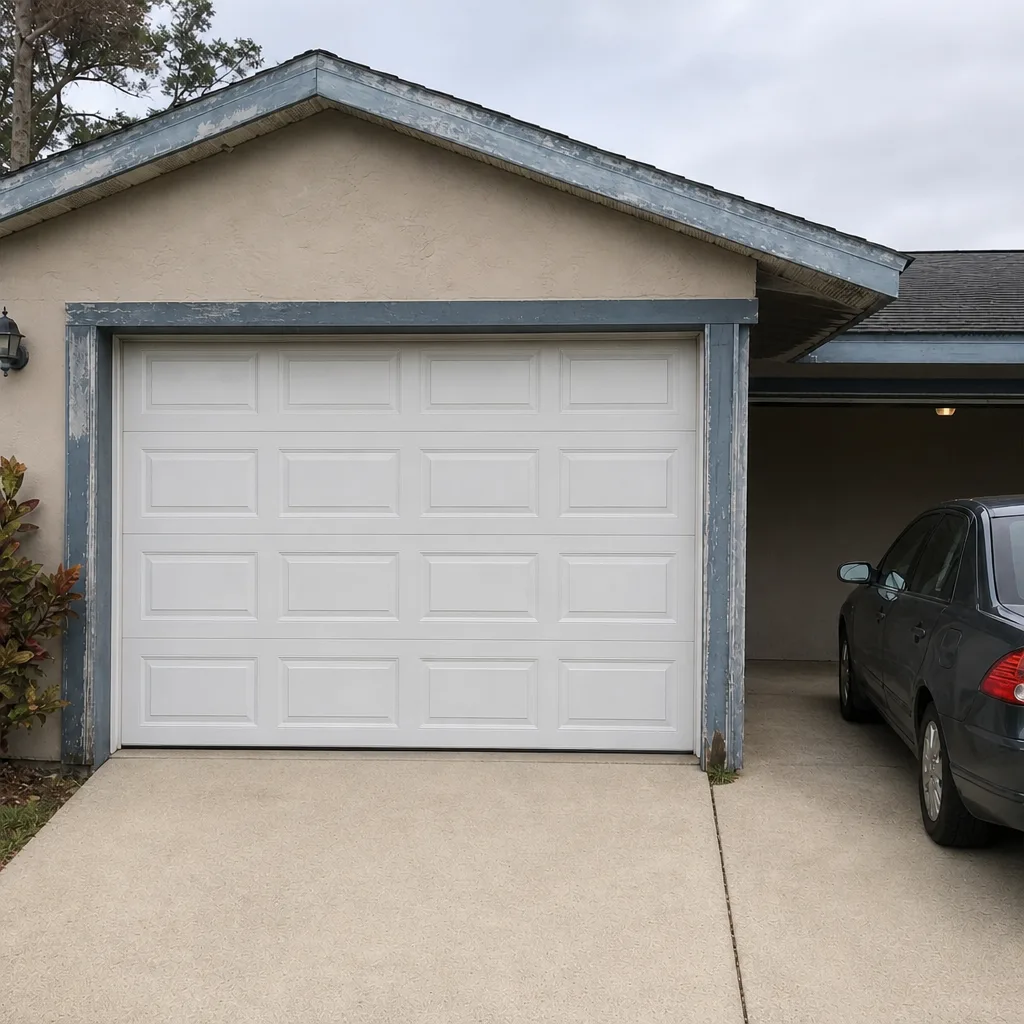 After
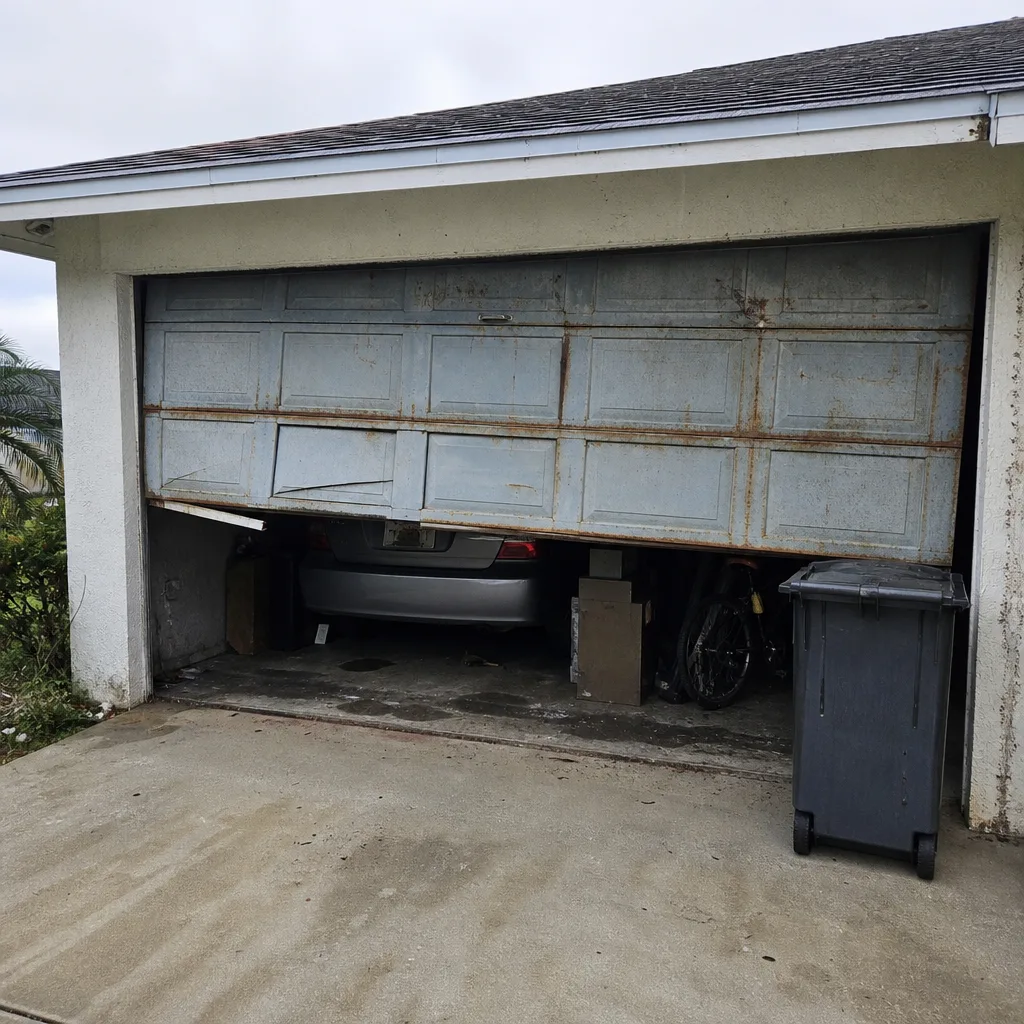 Before
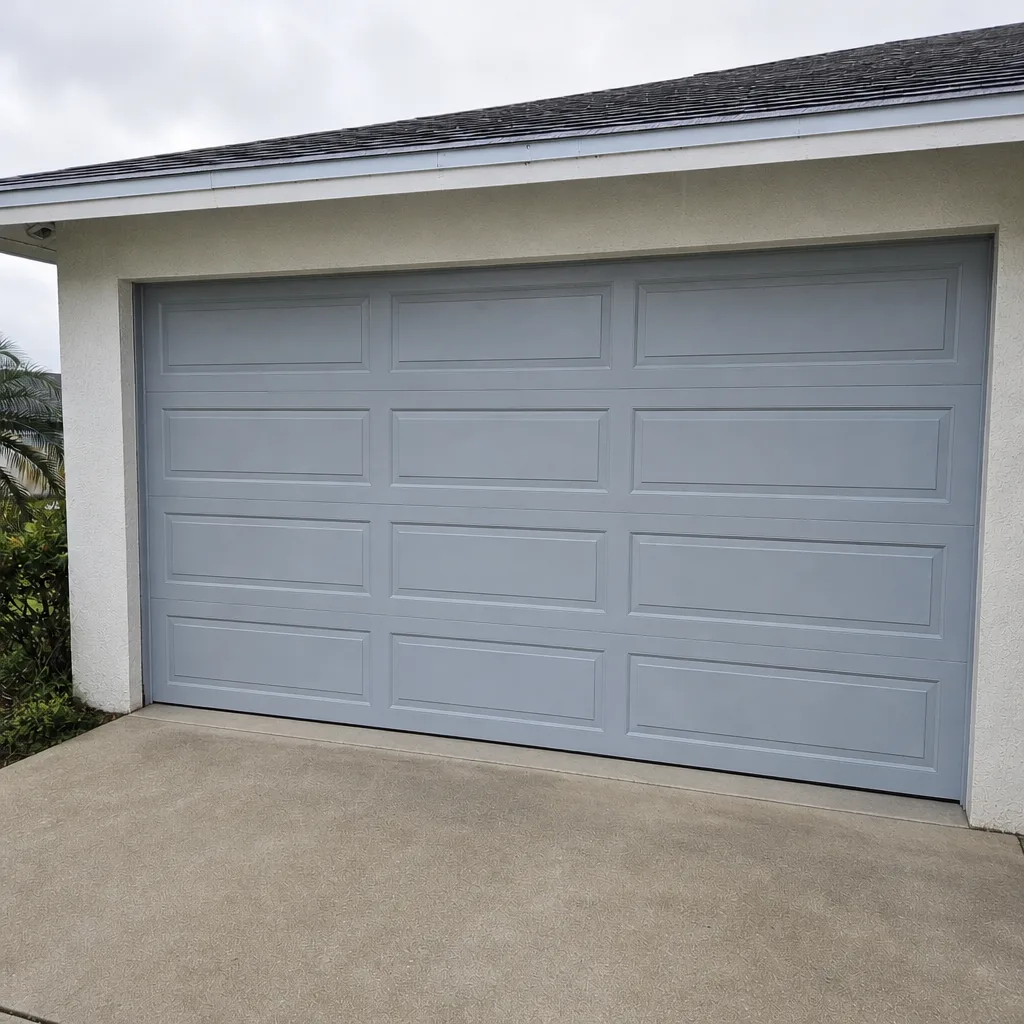 After
When to Call a Professional
Some garage door symptoms are worth watching, and some need a call the same day. Call us if the door won’t open or close fully, if a spring has visibly failed, if the door is catching or rubbing in the track, if the opener runs but nothing moves, or if you see rust through the bottom section. Also call if you’ve recently moved in and don’t know the age of the door’s springs. And call before you buy a new door, because sizing and wind-ratings matter more here than they do inland. Our team handles all of these as part of a full cycle that runs from emergency repair to a brand-new wind-rated door, and every job is quoted and agreed before work starts. Ormond Beach Garage Door Repair Pros offers free estimates in Ormond Beach – call (855) 645-1112. We answer 24/7. Fast dispatch from 7am to 7pm, Sunday through Friday.
Frequently Asked Questions
In many Ormond Beach neighborhoods and for many replacements, yes: a wind-rated door with Florida Product Approval is required, but the exact rule depends on your property and its jurisdiction. Check with the city’s building department or ask at the estimate stage. Our team can confirm the rating your home needs and supply the approval documents with the quote.
Springs are rated in cycles rather than years, and here humidity and salt-laden air can pit the spring wire and shorten its useful life compared to a dry climate. That’s why a yearly tension and balance check is worth doing. If a spring starts looking pitted or oily at the coils, have it looked at. Our spring repair starts at about $180 to $340 for a single spring, with a matched pair roughly double that.
Yes, in most cases: a door stuck open is as much a security problem as a mechanical one, and it’s one of the reasons we treat emergency service as core. Call (855) 645-1112 and we’ll confirm timing. We answer 24/7, and fast dispatch runs 7am to 7pm, Sunday through Friday.
No. The written estimate is the price, and we quote and agree it before work starts. The only way a number goes up is if you approve additional work you’ve asked for.
We service LiftMaster, Chamberlain, Genie, Clopay, Amarr, Wayne Dalton, Craftsman, and Raynor, so you can generally keep the brand you already have. If you’re replacing, we’ll steer you toward the door that fits your wind zone and your opening.
A standard-size door is usually an installation we can plan for a single day, but exact timing depends on whether the door is stock or custom, and how much prep the existing opening needs. Custom-sized doors take longer to manufacture and arrive, which is one more reason we measure before we quote. Call (855) 645-1112 for a free estimate and a firm timeline.
The Bottom Line
The garage door advice you read online was mostly written for a different climate. Ormond Beach has different rules: salt-laden air and humidity that wear on springs, tracks, and hardware faster than inland averages; storm-season wind ratings that shape what you’re allowed to install; and non-standard sizing in older neighborhoods that you won’t find in a national guide. Take care of the door you have with yearly tension checks and regular lubrication, spec wind-rated when you replace, and never touch a spring yourself. If something sounds, catches, or stops working, have it looked at before it becomes a bigger repair. The written estimate is your price, and our team can help you plan the next step. Call (855) 645-1112 for a free estimate.
Written by the team at Ormond Beach Garage Door Repair Pros.