
Last updated November 22, 2026
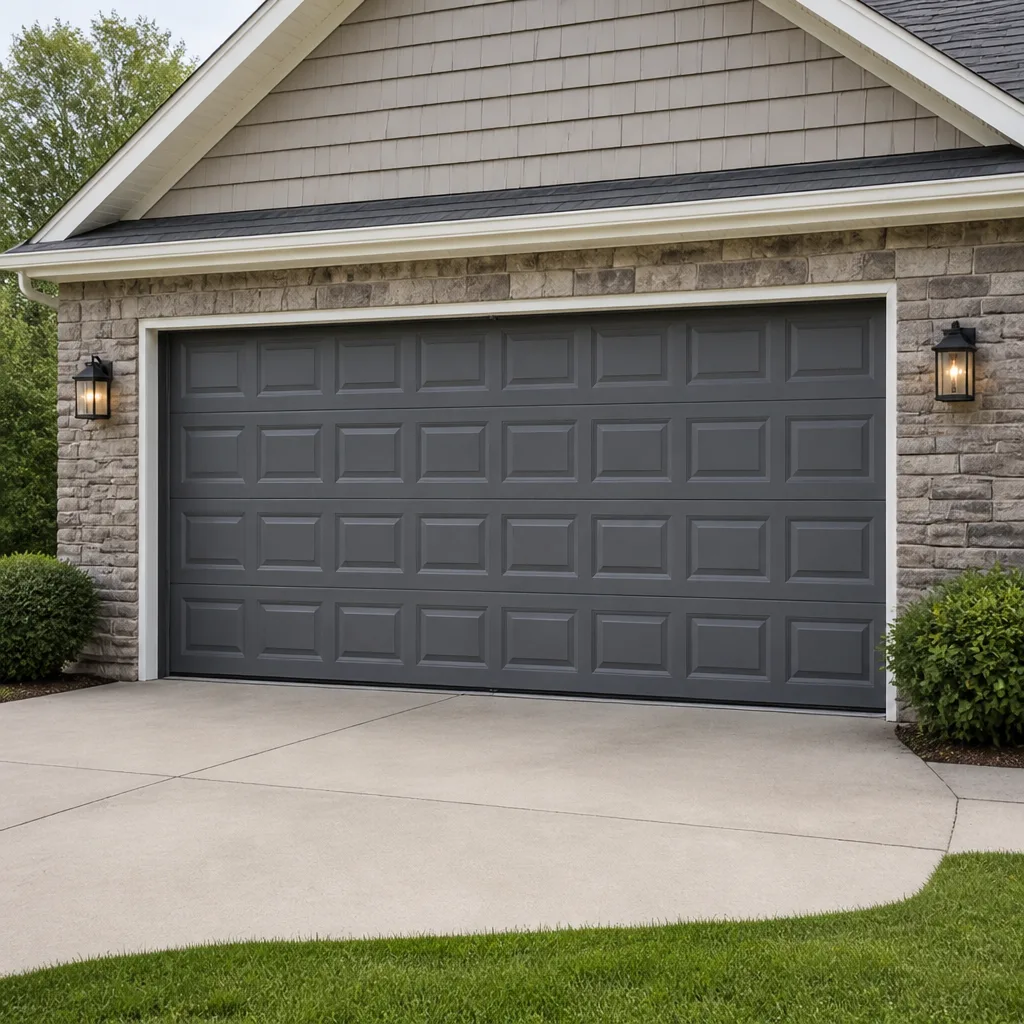 Raised-panel steel
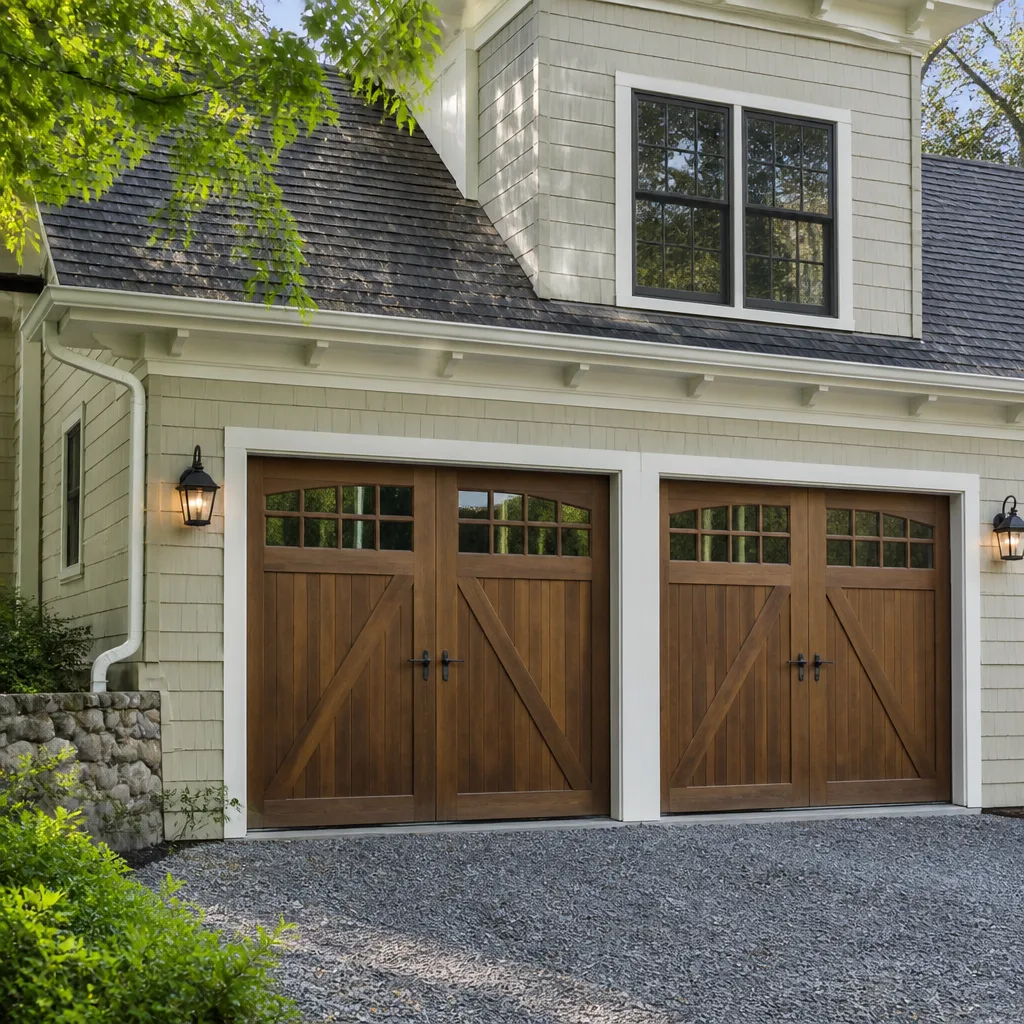 Carriage house
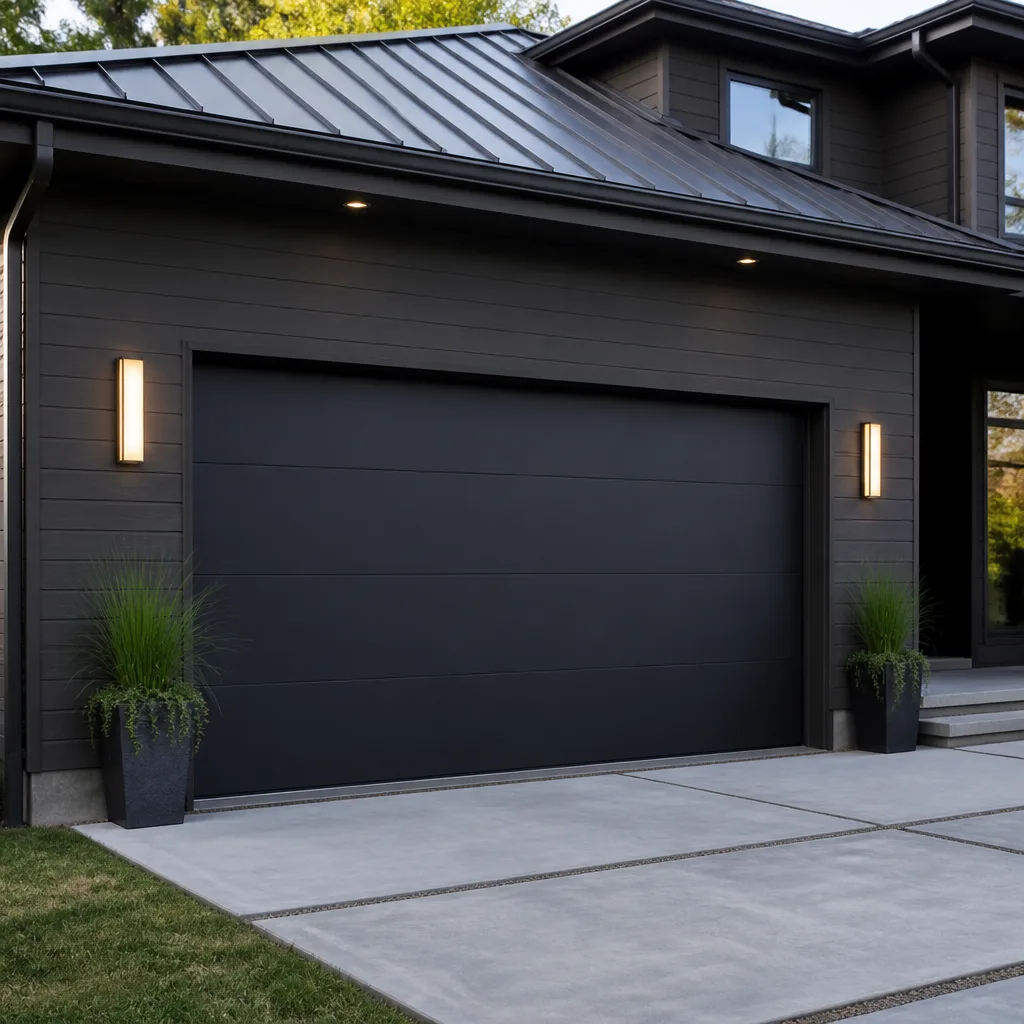 Modern flush
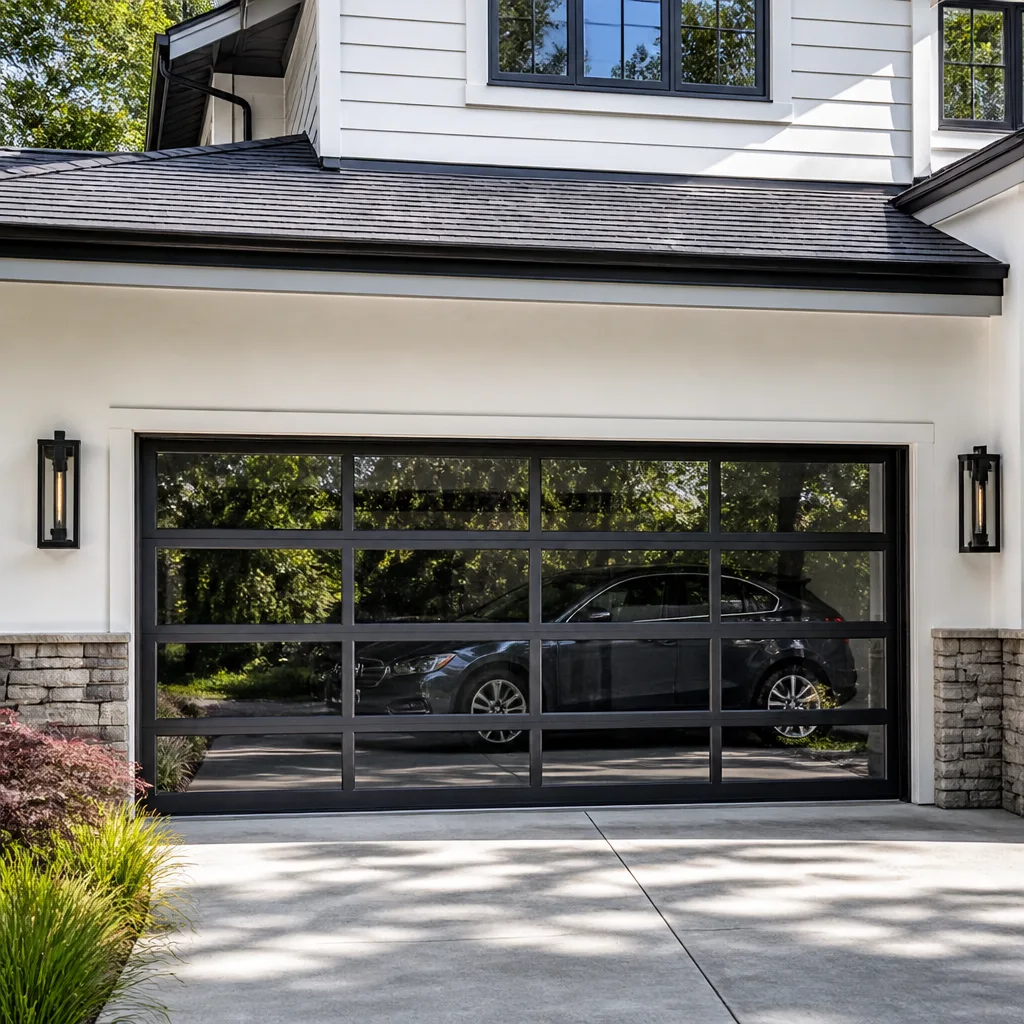 Full-view glass
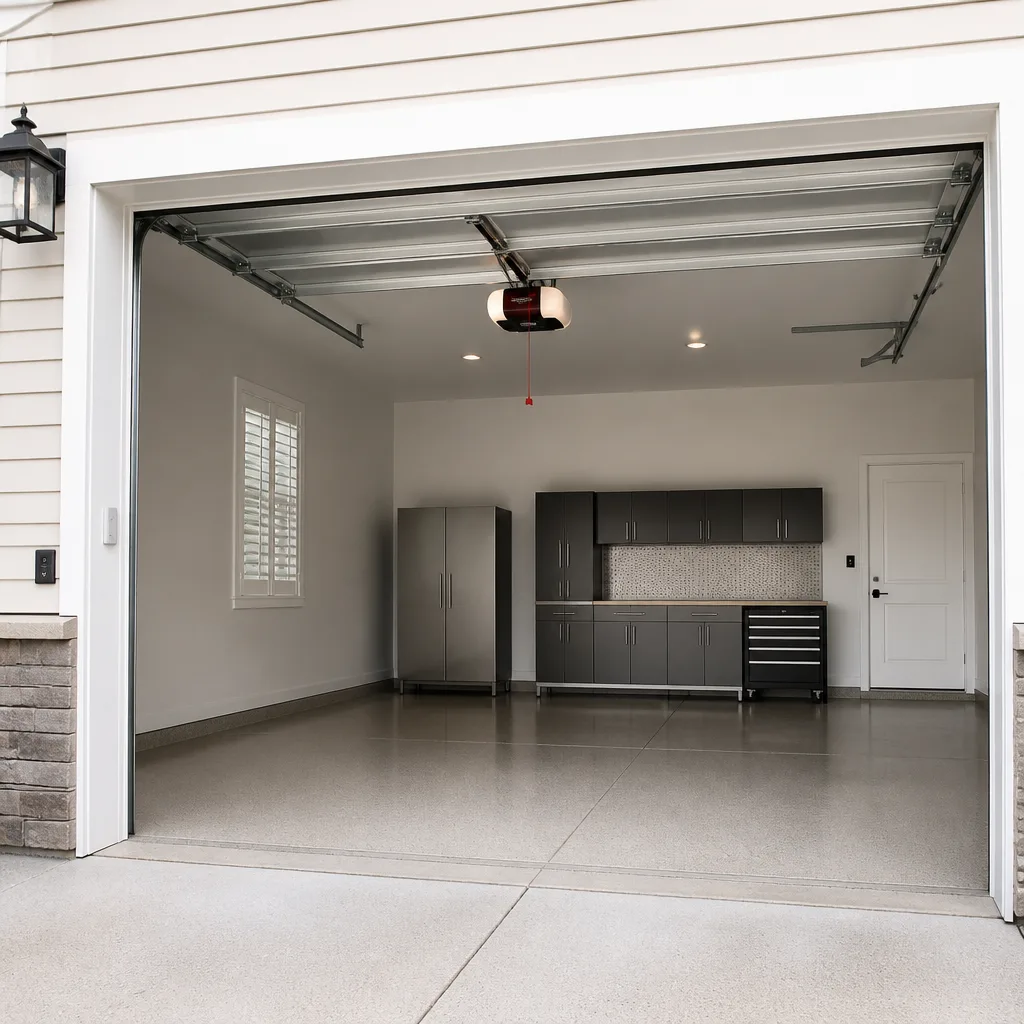 LiftMaster openers
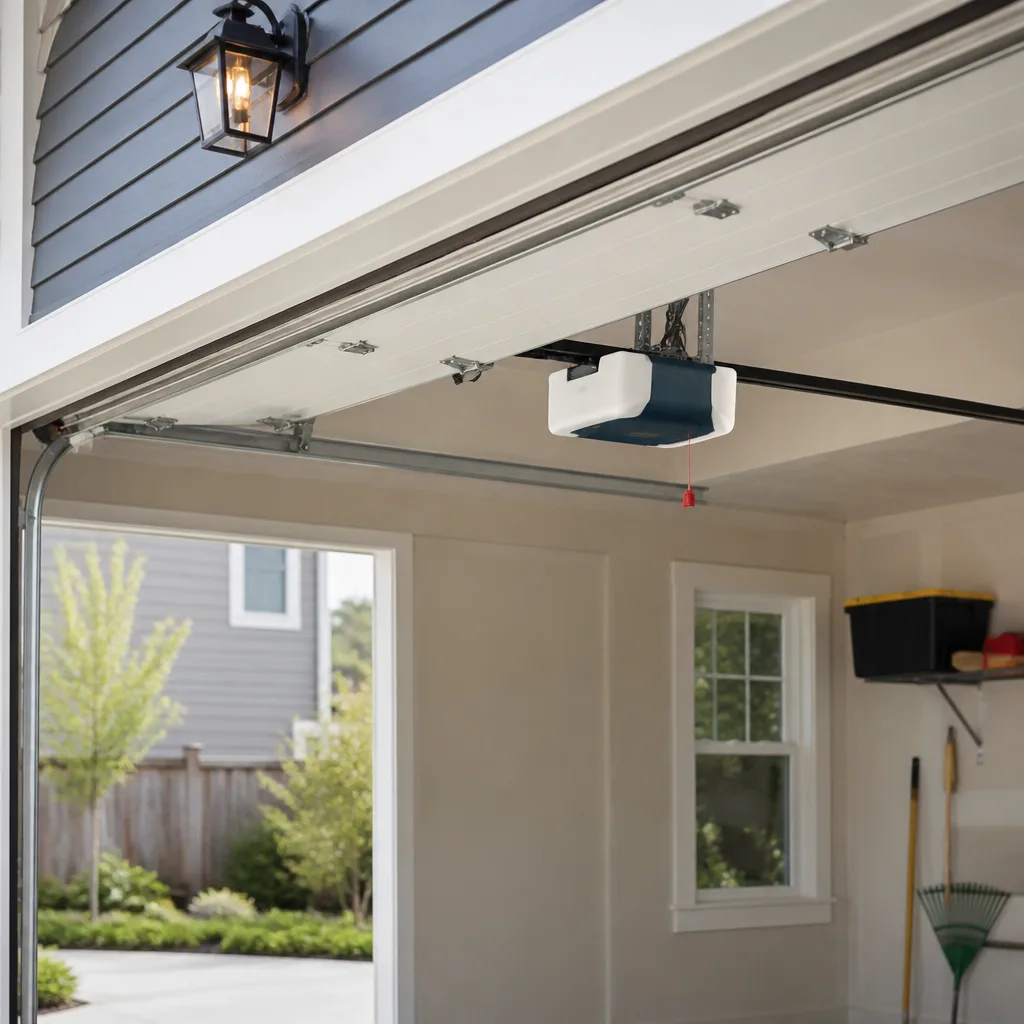 Chamberlain openers
Full 25-point door and opener safety check with every visit - springs, cables, rollers, tracks, and your LiftMaster or Chamberlain opener included
You get a price before we start. It does not change when the pro arrives.
Get your free estimateGarage Door Repair Maintenance Checklist for Ormond Beach Homeowners
Most people assume a snapped spring is what sends a garage door to its grave. Around Ormond Beach, it usually isn’t. The call we get most for sudden failure traces back to a bottom bracket or roller that nobody looked at in years – a slow, quiet problem that only announces itself when the door finally jams or drops. That’s the trouble with generic checklists copied from national sites: they focus on the parts that make noise and skip the ones that actually fail here, in our humidity and our wind-driven rain. This guide is built the other way around. We rank each maintenance task by how often it causes real emergency calls in Ormond Beach homes, so you spend your effort where it counts.
Quick Answer
A proper garage door maintenance checklist for Ormond Beach should focus on lubrication and corrosion inspection every three months, bottom bracket and roller checks every six months, weatherstripping review before and after the rainy season, and an annual safety test of the auto-reverse and photo-eye sensors. Parts that are simply old or worn – springs, cables, brackets – need a trained professional rather than a homeowner with a wrench, because the spring system stores dangerous tension even when the door is shut.
Styles & brands we work with
- Raised-panel steel
- Carriage house
- Modern flush
- Full-view glass
- LiftMaster openers
- Chamberlain openers
Table of Contents
- How a Technician Actually Inspects a Door: Bottom to Top, Mechanical Before Electrical
- Lubrication in Ormond Beach: The Salt-Air Rule and the WD-40 Mistake
- The Bracket and Roller Inspection Every DIY Checklist Skips
- Testing Auto-Reverse and Photo-Eye Sensors After Summer Humidity
- Weatherstripping and Wind-Driven Rain: Your Inspection Cadence
- Springs and Cables: What to Watch, and What Never to Touch
- Opener Care for the Brands Ormond Beach Homes Actually Run
- A Simple Seasonal Calendar for Ormond Beach Homeowners
How a Technician Actually Inspects a Door: Bottom to Top, Mechanical Before Electrical
Here’s a detail that separates a real inspection from a glance: order matters. A door is a load-bearing mechanical system first and an electrical appliance second, so the mechanical parts tell you what’s wrong before you ever touch the opener. Professional technicians work from the floor up, because the bottom bracket and the rollers carry the most load and take the most abuse from moisture near the slab. Then they move up through the hinges and tracks, and only after that do they test the electrical side – the opener, the safety sensors, and the controls.
You can follow the same sequence at home, which is why we’ve laid it out as a numbered walkthrough. Doing it in this order means you’ll catch a worn roller or a loose bracket before you blame the motor for a problem it didn’t cause.
- Start at the floor and look at the bottom bracket where the door meets the track. Check for rust, looseness, or bending. This bracket is under enormous cable tension and is a dangerous part to adjust – look, don’t tighten.
- Roll the door up and down slowly by hand (with the opener disconnected) and listen. Squeaks, grinding, or a door that jumps are mechanical signals, not motor signals.
- Inspect each roller and hinge for flat spots, cracks, or wobble. Rollers should turn freely.
- Check the tracks for dents, debris, or anything out of alignment. They should be straight and clear.
- Look at the springs and cables from a safe distance. Note fraying, gaps in the spring coil, or a sagging cable. Do not touch.
- Test the electrical side last – the auto-reverse, the photo-eye sensors, and the opener’s force settings.
If you can only do part of this, start at step one. The bottom bracket is the first thing we check on a service call in Ormond Beach for a reason: it sits closest to the ground, it collects moisture, and it’s the last thing anyone thinks to look at.
Lubrication in Ormond Beach: The Salt-Air Rule and the WD-40 Mistake
Ormond Beach sits close enough to the water that salt air is part of the maintenance equation. That coastal humidity doesn’t just make doors sticky – it accelerates corrosion on every metal component, which is why lubrication isn’t a once-a-year chore here. It’s a quarterly habit. Lubricating the right parts on a schedule is the single simplest thing a homeowner can do to extend the life of the moving pieces and keep the door quiet.
Here’s the mistake we see most often: WD-40. It’s the can sitting in almost every Ormond Beach garage, and it’s a great solvent – but it’s not a lasting lubricant. It thins out, evaporates, and can actually attract grit that speeds up wear on rollers and tracks. Skip it for the door.
What to use instead, and where:
- White lithium grease or a silicone-based lubricant on the rollers, hinges, and the torsion spring (light coat only) every three months.
- Silicone spray on the tracks – never grease, which grabs dust and grime.
- A light coat of lubricant on the hinges and the bottom bracket pivot to slow corrosion close to the humid floor.
- Avoid over-lubricating. More isn’t better; excess grease on the tracks turns into a sticky paste that wears the rollers faster.
In our experience, a door that gets a proper quarterly lube in this climate runs noticeably quieter and lasts longer than one on an annual schedule. If your door already squeals or sticks, don’t just grease over the problem – that’s a sign to have it looked at. A free estimate from our garage door repair team will tell you whether it’s simple wear or a part on its way out.
The Bracket and Roller Inspection Every DIY Checklist Skips
Search for a garage door maintenance list and you’ll find ten steps on springs and openers, and one vague line about “check the brackets.” That vague line is the reason so many Ormond Beach doors fail without warning. The bottom bracket and the rollers are the load-bearing, corrosion-prone, most-skipped parts on the whole door – and they account for more of the local emergency calls we handle than any single component.
Here’s what to actually look at, and this is an inspect-only task. The bottom bracket holds the cable under real tension, and loosening the wrong bolt can cause serious injury, so a homeowner should look and note, never adjust.
- Bottom bracket: look for rust, a bent or cracked plate, or the cable pulling away. Call a pro if you see any of it.
- Rollers: spin each one. It should roll smooth with no flat spots, cracks, or wobble. Worn steel or plastic rollers are a common hidden cause of a door that jerks or hangs.
- Hinges: check for looseness or rust at the pivot points. A loose hinge means the door is working against itself.
- Track condition: dents, debris, or a track that’s slightly out of line will drag a roller and wear the whole assembly.
Do this inspection every six months, ideally at the same time you do a lubrication pass. If a roller is flat or a bracket looks compromised, that’s a component-level repair, not a “wait and see.” Fixing a worn roller or bracket early is far cheaper than waiting for a binding door to damage the opener motor or snap a cable. It’s also the kind of work covered under garage door repair and worth a quick call to check.
Testing Auto-Reverse and Photo-Eye Sensors After Summer Humidity
Florida’s summer humidity can swell door frames and shift the way a door seats, and that’s the time of year when safety reversals and photo-eye sensors quietly go out of adjustment. A door that closed fine in spring may, after a humid summer, fail the auto-reverse test – which is a safety problem. Test both once a year, and again after any stretch of thick, wet weather.
Two quick tests catch nearly everything:
- Auto-reverse test: place a flat block of wood or a piece of 2×4 on the ground under the middle of the door and close it. The door should reverse immediately on contact with the block. If it presses down and stops, the force setting or the reversal is off.
- Photo-eye test: with the door open, wave an object (or your foot) through the invisible beam between the two sensors mounted at the base of the tracks. The door should stop and reverse. Also check that both sensor lenses are clean and that the indicator lights on each are steady, not flickering.
Sensor misalignment is one of the most common reasons a door won’t close at all – and it’s often caused by a nudge, a bad connection, or a lens clouded by humidity and grime. If a sensor light won’t stay solid after a cleaning and a gentle realignment, the problem may be deeper than adjustment. Our garage door opener repair technicians diagnose sensor and reversal issues as part of opener service, and a free estimate takes the guesswork out of whether it’s the sensor, the wiring, or the opener board itself.
Weatherstripping and Wind-Driven Rain: Your Inspection Cadence
Ormond Beach gets its share of wind-driven rain, and that rain finds every gap. Weatherstripping is what keeps water and pests out of the garage, and it’s the part most homeowners replace too late. The rule we give homeowners: check it every six months, and again after any major storm blows through.
What to look for:
- Bottom seal: look for cracks, flattening, or a gap between the seal and the floor. A worn bottom seal lets rain and outside air straight into the garage.
- Side and top seals: check the rubber or vinyl for tears, hardening, or separation from the frame.
- Framing: look for moisture stains or soft spots along the door frame. That’s a sign water is getting behind the seal.
Worn weatherstripping does more than let rain in – it also lets treated air out, which shows up on your energy bill, and it gives insects and small pests an easy way in. Replacing a bottom seal is straightforward, but a fully rotted or water-damaged frame usually means the door needs adjustment or the track is out of line. If you’re not sure which it is, a free estimate will settle it.
Springs and Cables: What to Watch, and What Never to Touch
Springs are the most dangerous part of any garage door system. Torsion springs along the top and extension springs along the sides store enough energy to seriously injure someone who unloads them wrong – and both can fail suddenly. A homeowner can and should look at them; a homeowner should never attempt to adjust, loosen, or replace them. That’s the line, and it’s why garage door spring repair is a core part of what we do rather than a side job.
What to watch for, from a safe distance:
- A gap in the torsion spring coil or a spring that looks stretched out of shape.
- A door that won’t stay up when you lift it halfway by hand, or feels unusually heavy – a sign a spring has lost tension or broken.
- A loud bang from the garage followed by a door that won’t open – one of the most common spring-failure signals.
- Frayed or sagging cables. A cable that’s come loose or snapped is a hazard even when the door is down.
If any of these are present, stop using the door and call. Continuing to run an opener against a broken spring strains the motor and can damage the entire lift system. It’s a real dispatch call, not a wait-and-see. And when spring work is needed, a matched pair of springs is usually replaced together because a single aged spring often fails soon after – so ask for the pair price up front, not a number for one.
Opener Care for the Brands Ormond Beach Homes Actually Run
Most Ormond Beach homes run one of the same few well-known opener brands, and knowing the quirks of your own unit saves a lot of unnecessary service calls. We service nearly any system a homeowner already has – LiftMaster, Chamberlain, Genie, Clopay, Amarr, Wayne Dalton, Craftsman, and Raynor – so the brand on your unit doesn’t change the basics of what to check.
Simple opener maintenance that a homeowner can do:
- Keep the opener’s vents clear and check for dust buildup that can make the unit run hot.
- Test the wall control and every remote once a year. A remote that’s slow or dead may just need a battery, not a new opener.
- Listen to the opener at rest. A clicking relay, a unit that runs but doesn’t move the door, or a motor that strains against a binding door usually points to a mechanical problem, not the opener itself.
When an opener does fail, it’s worth a diagnostic before assuming you need a new one. Many “dead opener” calls turn out to be a misaligned sensor, a stripped gear, or a safety-reversal setting – fixable at the component level. If you run a Chamberlain or a Genie and it won’t respond, our garage door opener repair team works on the brand you already have, and a free estimate tells you repair or replace before you spend.
A Simple Seasonal Calendar for Ormond Beach Homeowners
A checklist only works if it fits your life. Here’s how we’d sequence the tasks above across a year, weighted for this climate – more lubrication, more weatherstripping attention before the wet months, and a full mechanical pass each year.
- Every three months: lubricate rollers, hinges, and springs with white lithium or silicone; clean the photo-eye lenses; do a quick bottom-bracket and roller look.
- Every six months: fuller bracket, roller, and track inspection; weatherstripping check; a slow manual door cycle to listen for trouble signs.
- Before and after the rainy season: inspect all weatherstripping and the bottom seal for cracks and gaps; check door framing for moisture stains.
- Once a year: perform the auto-reverse and photo-eye safety tests; test every remote and wall control; do a full top-to-bottom mechanical-and-electrical walkthrough.
Between those landmarks, watch for the day-to-day signals that a door needs attention sooner: new squeaks, a door that reverses for no reason, a sensor light that flickers, or a door that looks crooked when it comes down. In Ormond Beach, a door that leaves a gap or hangs badly is asking for a service call.
Common Mistakes to Avoid
- Greasing the tracks. Tracks should get silicone spray, not grease. Grease collects dust and grit and wears the rollers faster than leaving the tracks dry would.
- Using WD-40 as the lube. It’s a solvent, not a lasting lubricant. It thins out and can attract grit, so keep it off your door’s moving parts.
- Only checking the springs. Springs get all the attention, but a worn bottom bracket or flat roller causes more local emergency calls. Look at the whole system, not just the noisy parts.
- Testing the auto-reverse “by feel.” A hand on the door isn’t a reliable reversal test. Use a piece of 2×4 under the door and confirm it reverses on contact.
- Loosening the bottom bracket. This is under cable tension and is a serious injury risk. Inspect only and leave the work to a trained technician.
- Ignoring weatherstripping until it leaks. In a wind-driven-rain climate, a worn seal lets water in long before you notice it. Check it every six months.
- Running a door with a broken spring. Continuing to use the opener against a failed spring strains the motor and can damage the whole lift system.
See the difference
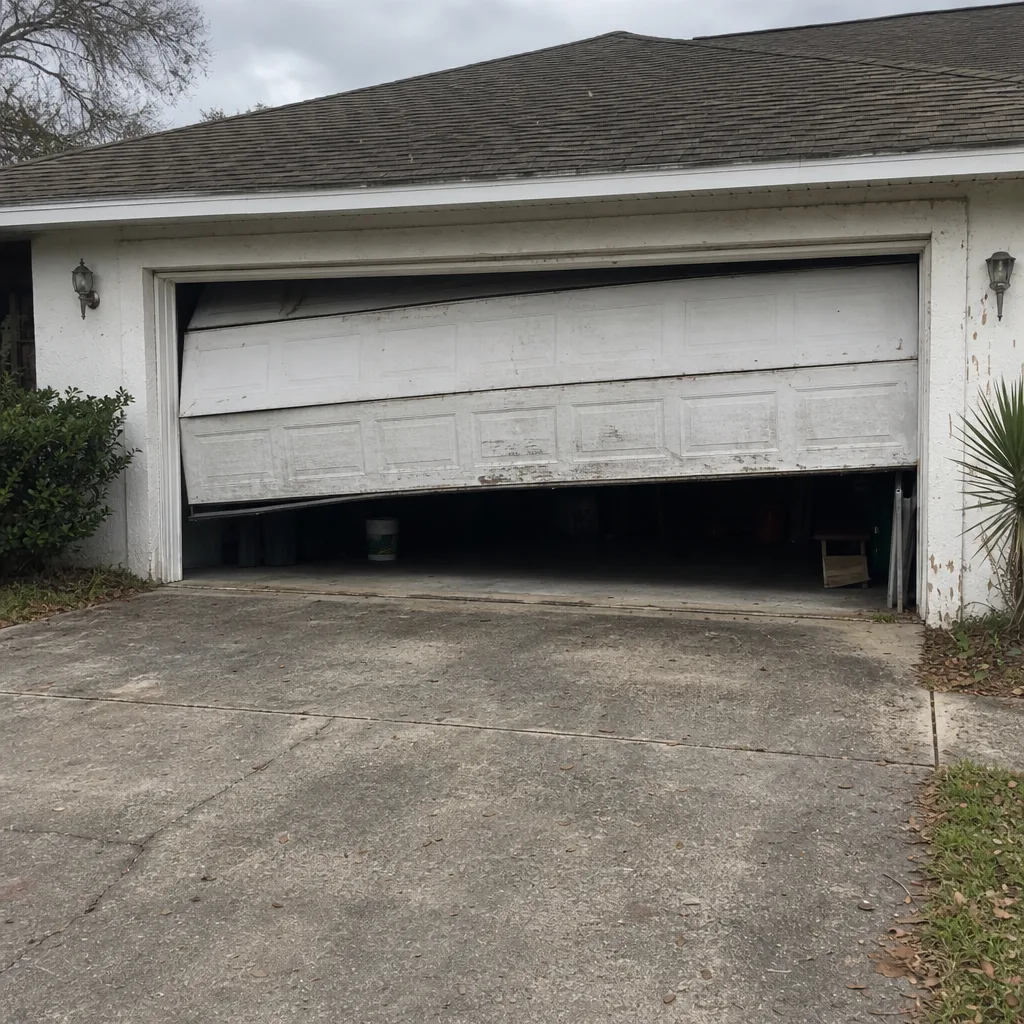 Before
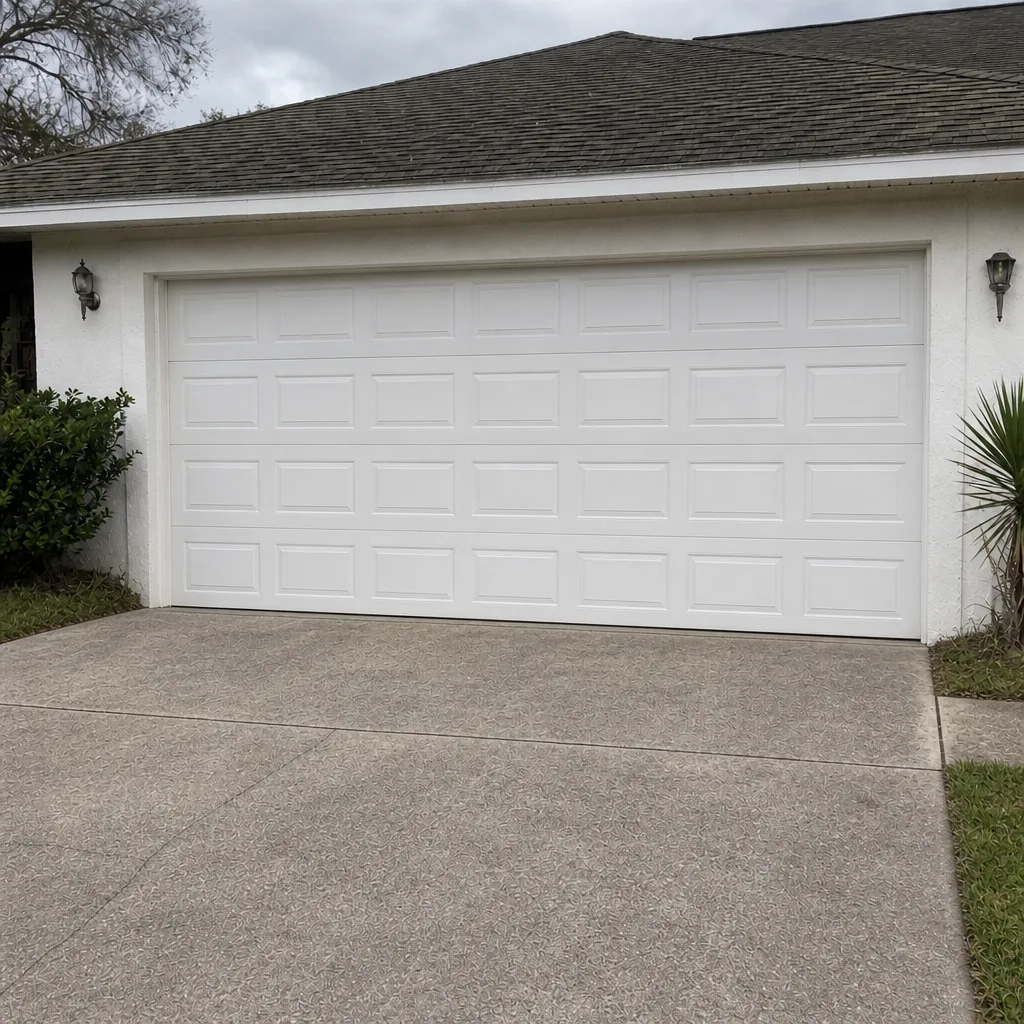 After
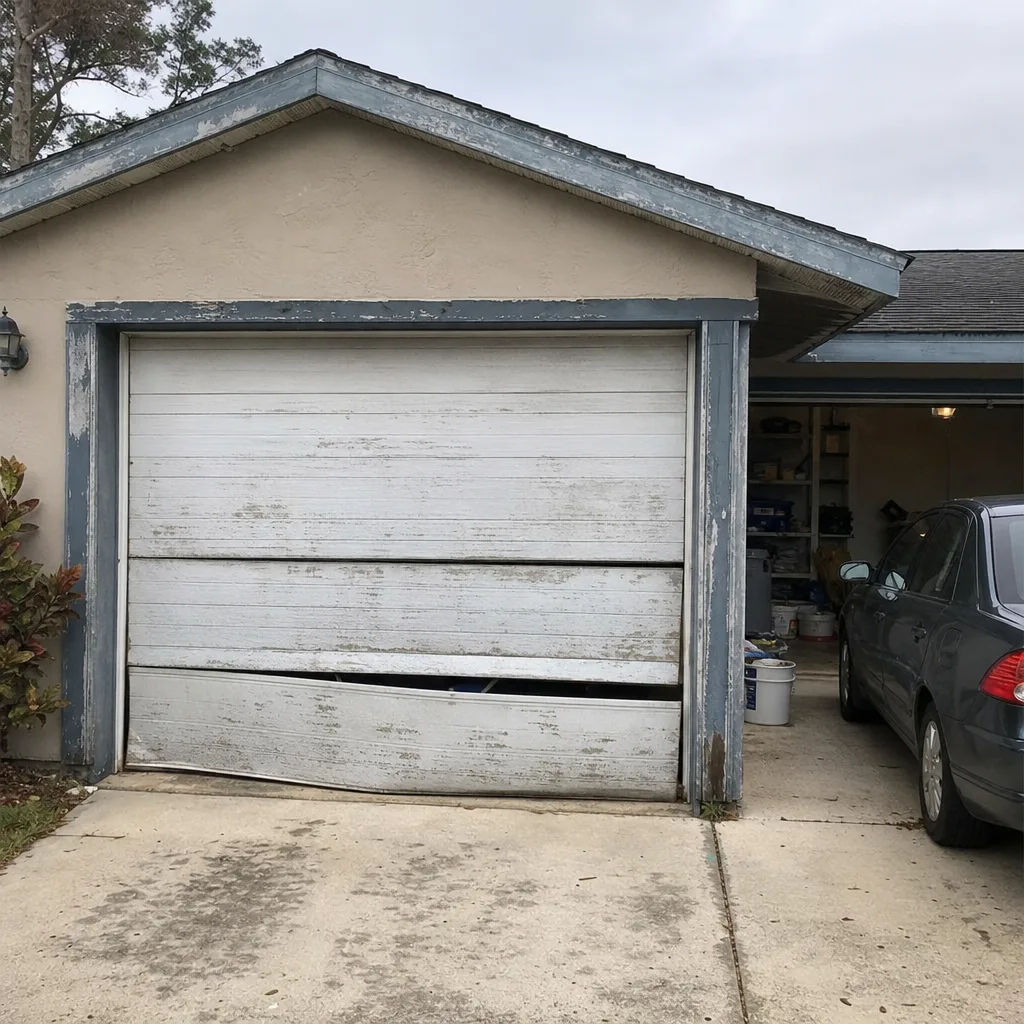 Before
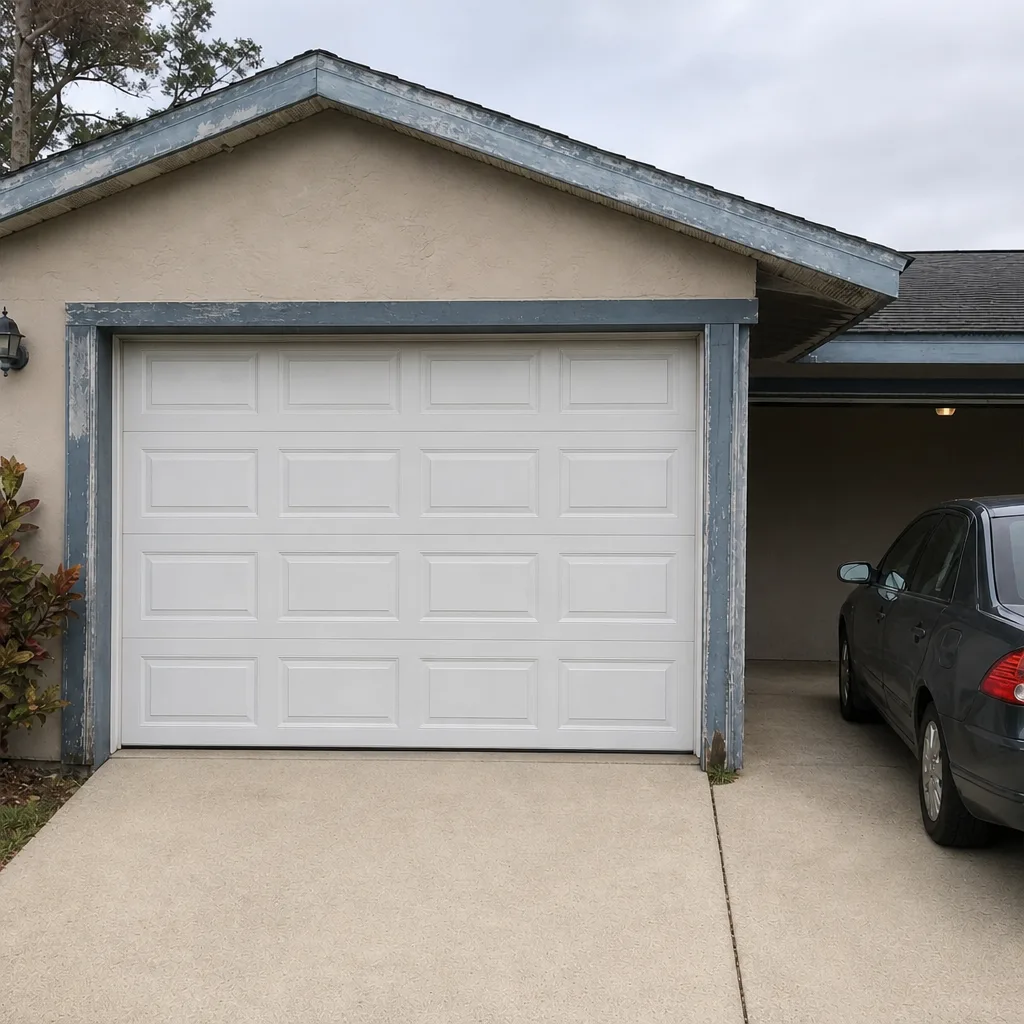 After
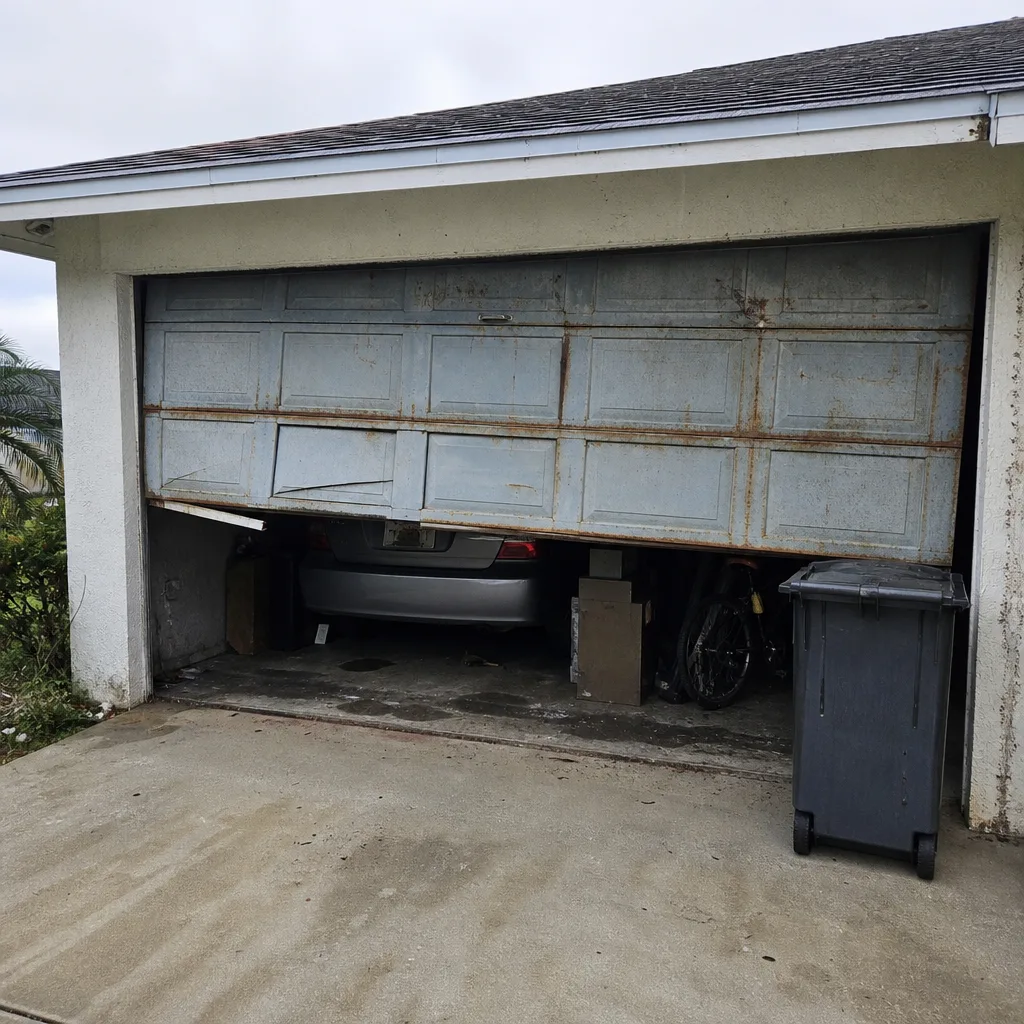 Before
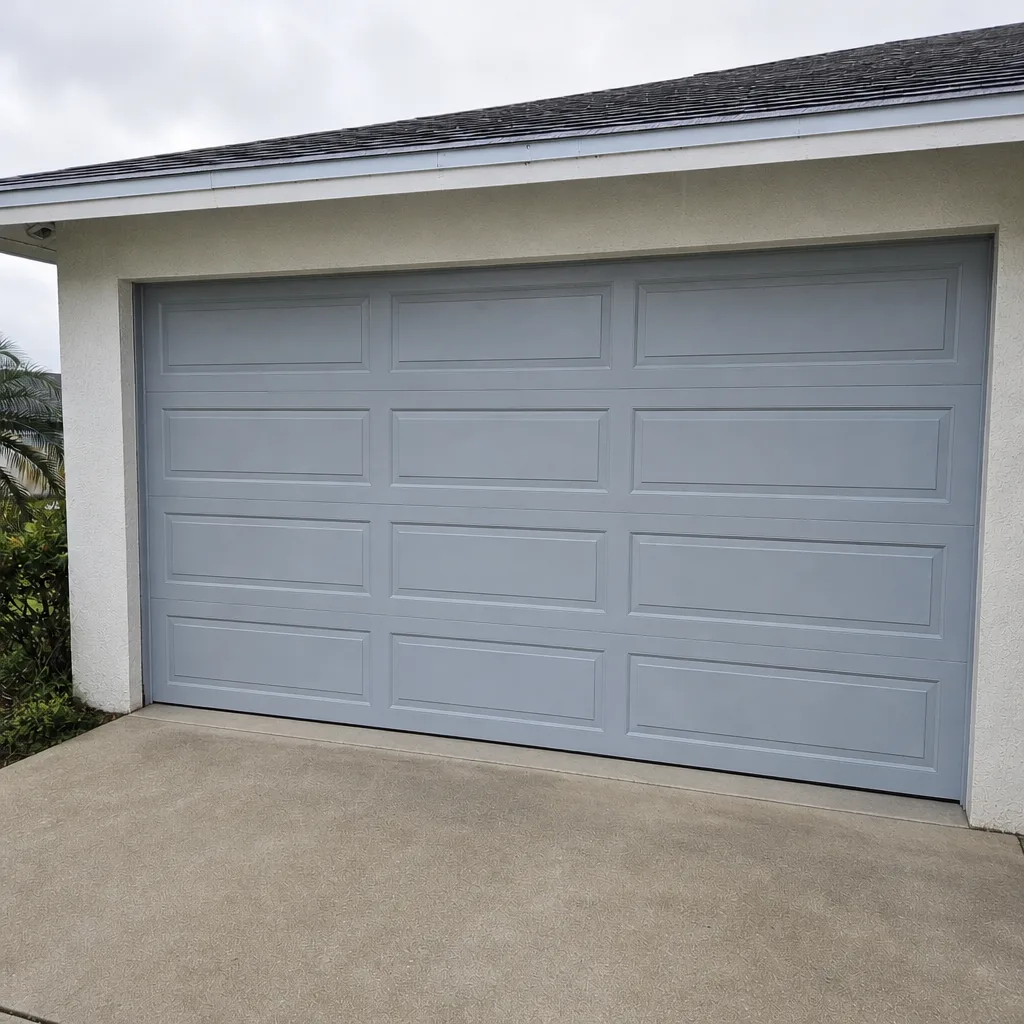 After
When to Call a Professional
Some tasks in this checklist are yours; some belong to a trained technician. Call a professional if you see a gap or break in a spring, a frayed or snapped cable, a bent or rusted bottom bracket, a door that won’t stay up when lifted by hand, or a safety reversal that won’t pass its test after adjustment. Also call if the door has gone crooked, if the opener strains or won’t respond, or if you’re simply not sure whether that squeak or shudder is normal wear or a part about to go. These are load-bearing and high-tension components, and getting them handled right the first time is the whole point. Ormond Beach Garage Door Repair Pros offers free estimates in Ormond Beach – call (855) 645-1112. We answer 24/7. Fast dispatch from 7am to 7pm, Sunday through Friday. The price is quoted and agreed before any work starts, and our technicians have up to 10 years of experience with the brands you already own.
Frequently Asked Questions
Every three months. The coastal humidity speeds up corrosion on metal parts, so a quarterly lubrication with white lithium or silicone keeps the moving pieces smoother and quieter than an annual schedule would. Greasing tracks with the wrong product or using WD-40 as a lube can do more harm than good. Call (855) 645-1112 for a free estimate if your door is already squealing or sticking.
The bottom bracket and rollers, not the springs. Most sudden failures we see trace back to a worn bottom bracket or a flat roller that nobody inspected, so that’s where a proper inspection starts – at the floor and working up. A free estimate will tell you whether it’s a simple part or something more. Call (855) 645-1112.
Close the door on a 2×4 laid flat under the middle – it should reverse on contact – then wave an object through the beam between the photo-eye sensors and confirm the door reverses. Test both once a year, and again after a humid summer when frames swell and doors shift. If it won’t pass after adjustment, call (855) 645-1112 for a free estimate.
Check it every six months, and after any major storm. In Ormond Beach’s wind-driven rain, cracked, hardened, or flattened seals let water and pests in long before you’d notice – so replace it as soon as you see cracks or a gap between the seal and the floor. Not sure if it’s the seal or the door? Call (855) 645-1112 for a free estimate.
No. Springs are the most dangerous part of any garage door system – they store enough energy to cause serious injury, even when the door is down. A homeowner can inspect them from a safe distance, but adjustment and replacement belong to a trained technician. Call (855) 645-1112 for spring repairs and a free estimate.
Yes. We service the brands most Ormond Beach homes already run – LiftMaster, Chamberlain, Genie, Clopay, Amarr, Wayne Dalton, Craftsman, and Raynor – so the system on your door doesn’t change the basics. If your opener has stopped responding, it’s often a fixable sensor or gear issue. Call (855) 645-1112 for a free estimate.
The Bottom Line
The maintenance that actually prevents Ormond Beach garage door emergencies isn’t the checklist you’ll find on a national site. It’s the bottom bracket and roller inspection, quarterly lubrication with the right product (not WD-40), a weatherstripping check before and after the rainy season, and an annual safety reversal test – done in that order, bottom to top. Springs and cables you inspect but never touch. The parts that keep your door running longest are exactly the parts most people skip. If you want the whole system looked over by a trained eye, our Ormond Beach Garage Door Repair Pros team will give you a free estimate and tell you exactly what’s wearing out – before it fails.
Call (855) 645-1112 for a free estimate. We answer 24/7. Fast dispatch from 7am to 7pm, Sunday through Friday, and a full range of garage door repair should anything check out worse than expected. Every price is quoted and agreed before any work starts, so there are no surprises.
Written by the team at Ormond Beach Garage Door Repair Pros.