
Last updated November 22, 2026
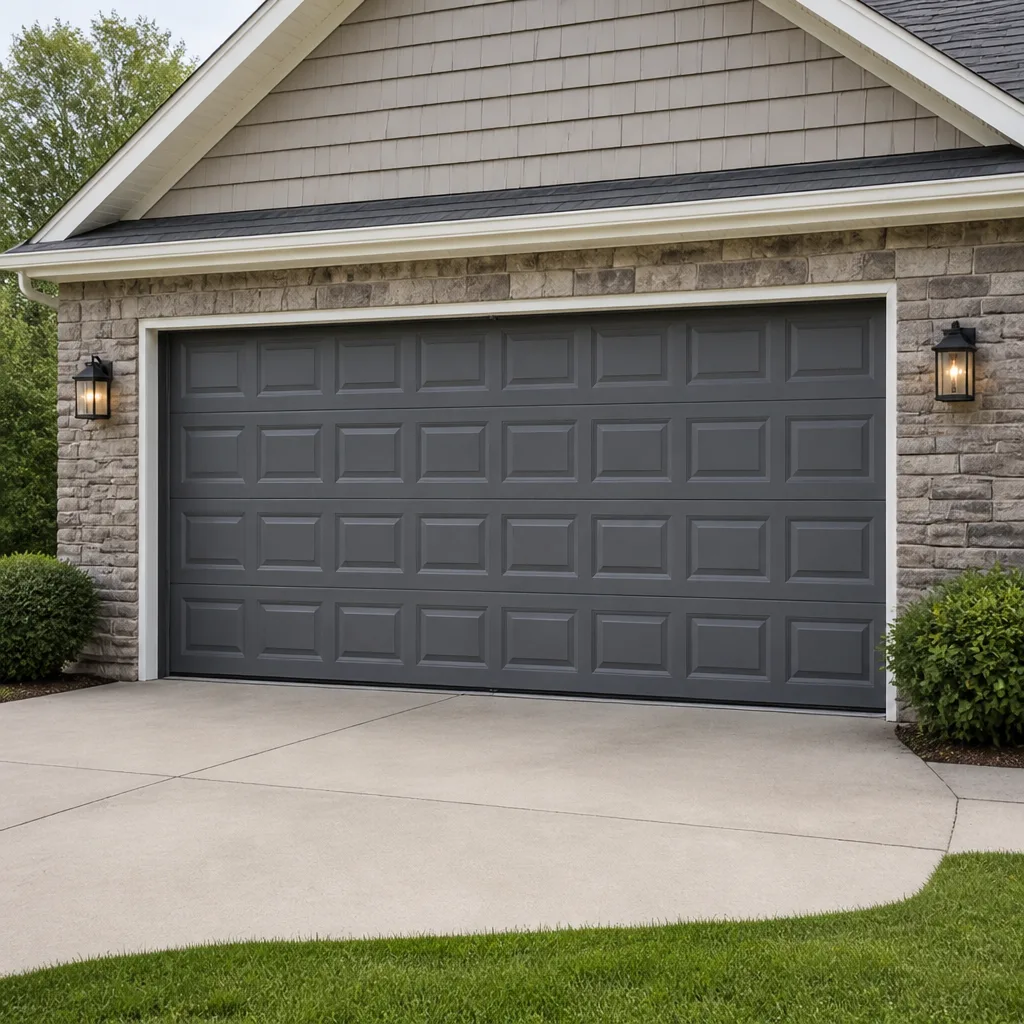 Raised-panel steel
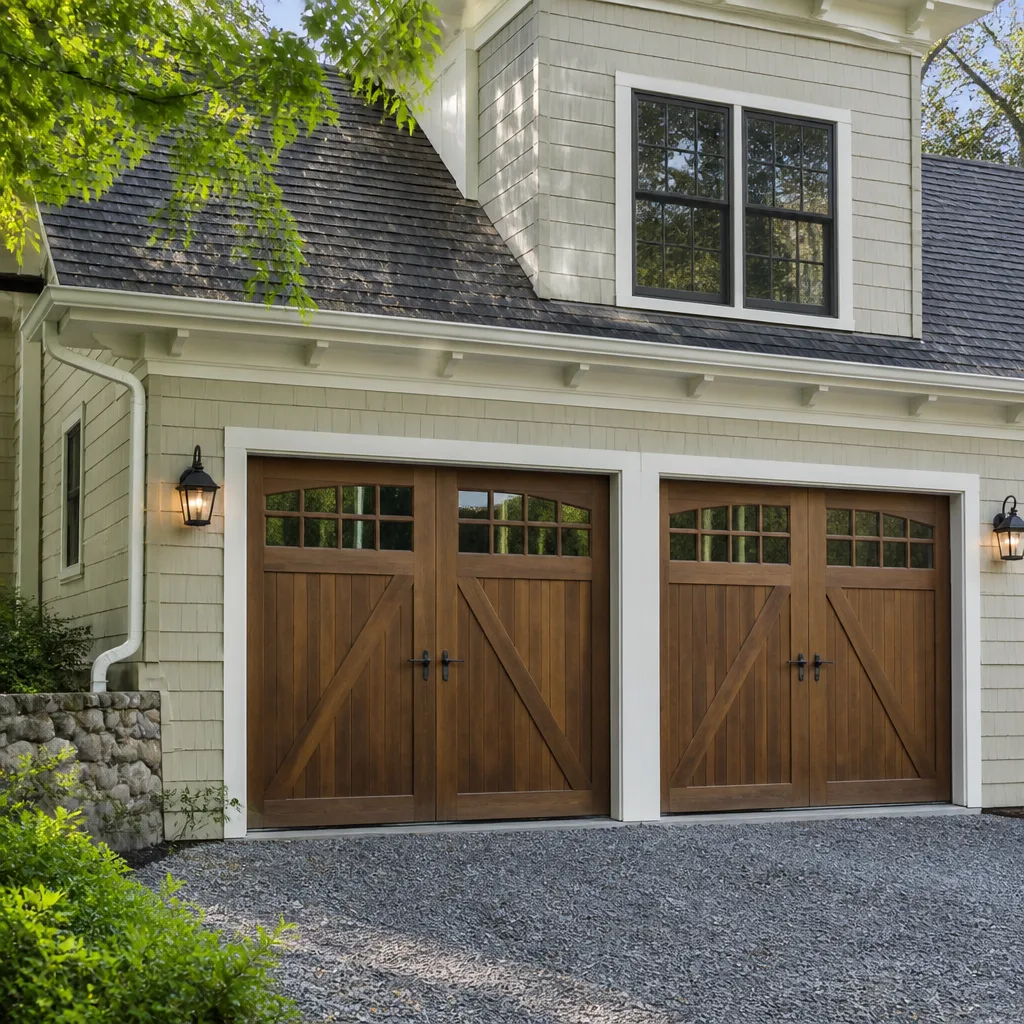 Carriage house
 Modern flush
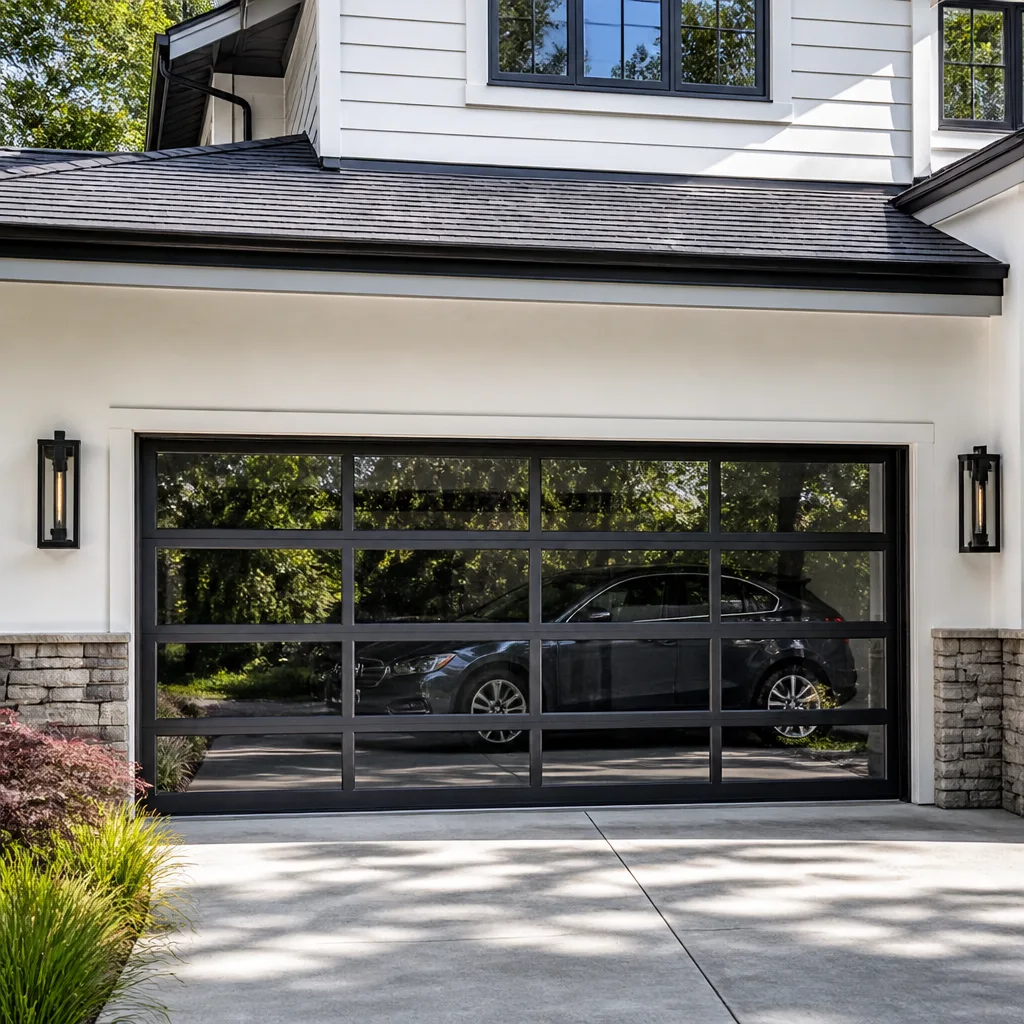 Full-view glass
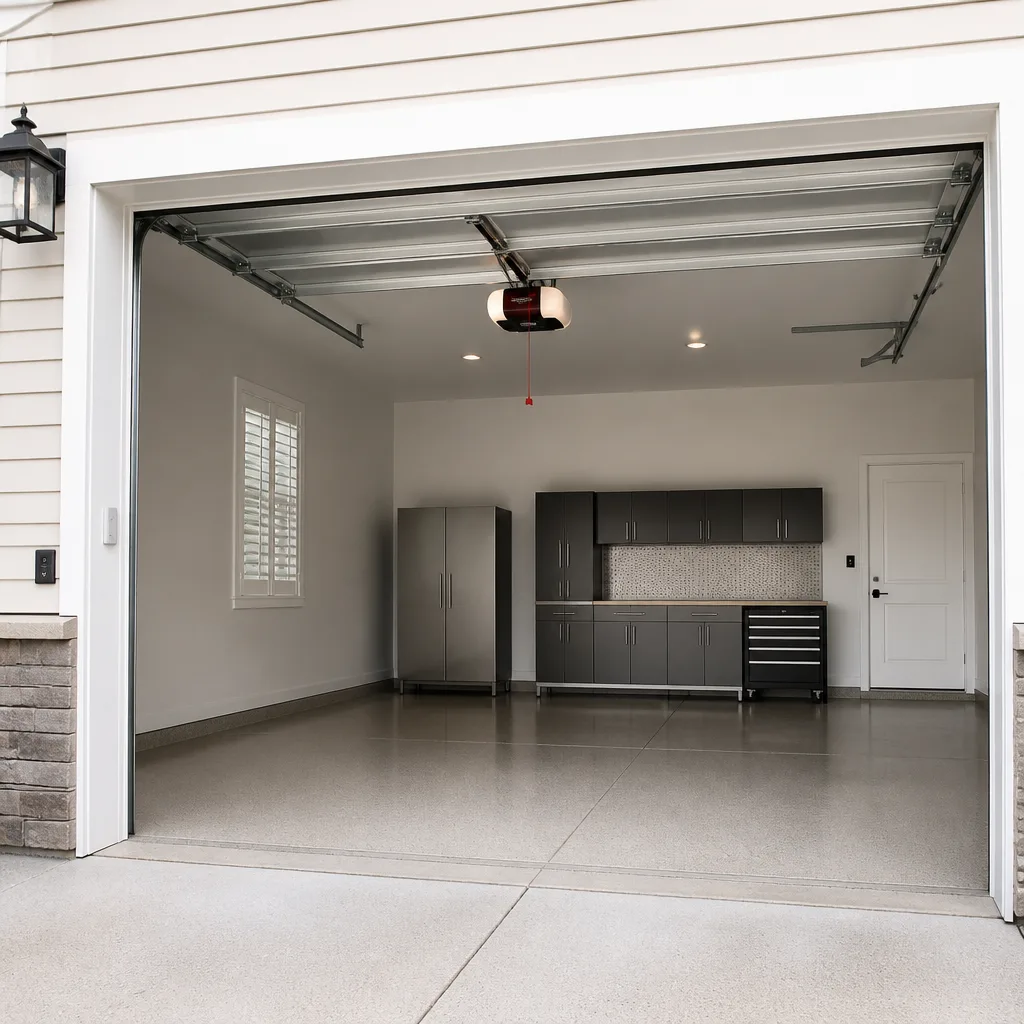 LiftMaster openers
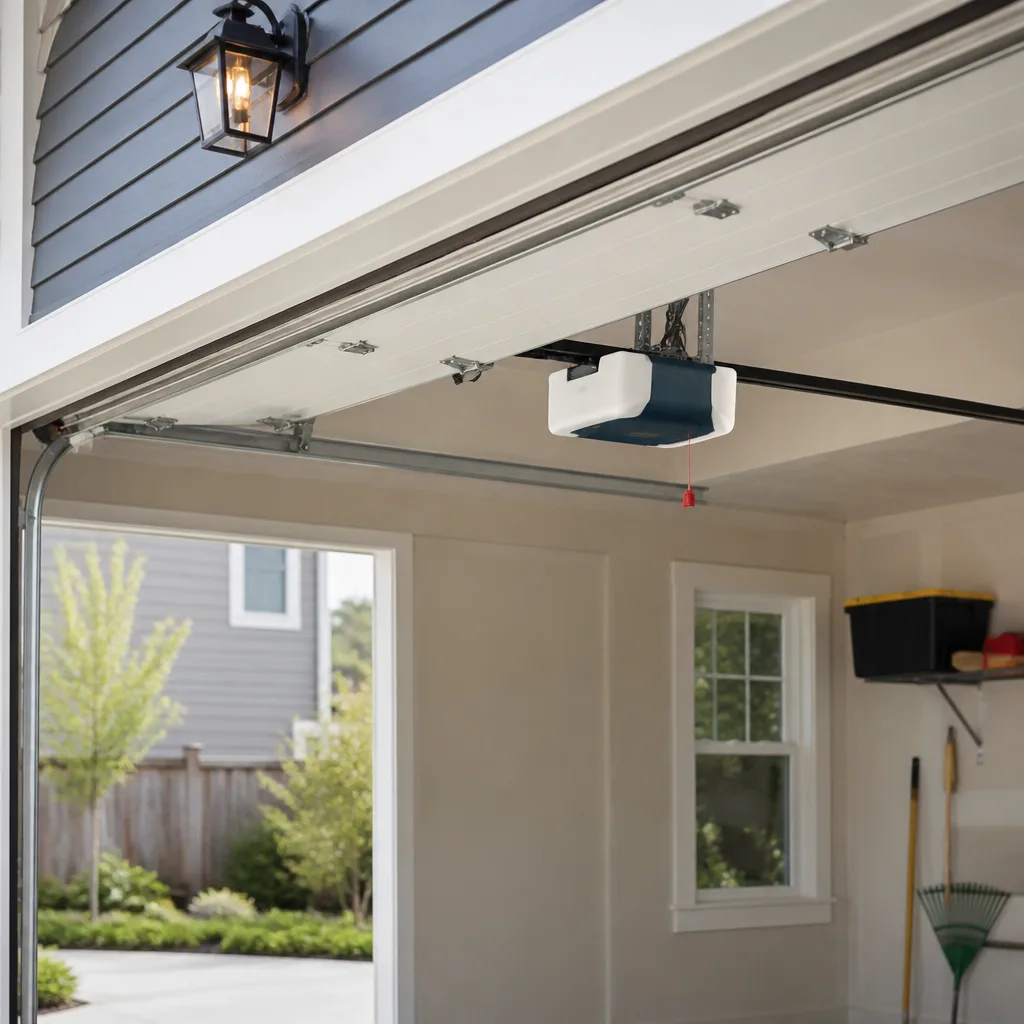 Chamberlain openers
Full 25-point door and opener safety check with every visit - springs, cables, rollers, tracks, and your LiftMaster or Chamberlain opener included
You get a price before we start. It does not change when the pro arrives.
Get your free estimateDIY vs Professional Garage Door: The Ormond Beach Homeowner’s Decision Guide
Most garage door advice online splits the world into two camps: you can fix it yourself, or you have to hire someone. That framing misses the part that actually matters here in Ormond Beach. The real question isn’t only whether you’re handy enough. It’s whether the job is legal for a homeowner to do, whether your insurer will stand behind the result, and whether the money you save on parts is worth what you take on in risk. Some garage door tasks are genuinely fine to handle yourself. Others are dangerous, and a few can complicate an insurance claim if something goes wrong later.
This guide walks the line between those. You’ll learn what Florida rules generally allow a homeowner to do, which jobs are safe and cheap to DIY, which ones aren’t, how an unpermitted install can affect a wind-damage claim, and what a spring replacement actually compares to when you weigh parts against professional labor in the Ormond Beach market. We’ll also show you the middle path: prep work you can do to trim billable hours before a technician arrives.
One note before we go further. Our technicians have up to 10 years of experience with garage doors specifically, and the safety cautions below come from that work. Take them seriously.
Quick Answer
You can legally handle light garage door maintenance yourself in Ormond Beach, including lubrication, sensor alignment, and remote reprogramming. You should not replace torsion springs, work on cables, or install a full door yourself, both because those tasks are genuinely dangerous and because a self-installed door without the proper permit can put an insurance claim at risk. When in doubt, ask the City of Ormond Beach building department what a given job requires before you start. For anything involving springs, cables, or a new door, hire a licensed professional.
Styles & brands we work with
- Raised-panel steel
- Carriage house
- Modern flush
- Full-view glass
- LiftMaster openers
- Chamberlain openers
Table of Contents
- What the Law Actually Allows You to Do Yourself
- The Tasks That Are Genuinely Safe and Cost-Effective to DIY
- The Tasks You Should Never Attempt Yourself
- How a Permitted vs. Unpermitted Install Affects Your Insurance
- DIY vs. Pro: The Real Cost of a Spring Replacement
- The Middle Path: Prep Work That Lowers Your Bill
- What Ormond Beach Conditions Do to Your Door
- Working With the Brand You Already Own
What the Law Actually Allows You to Do Yourself
Florida doesn’t have a single sweeping law that says “homeowners may not touch garage doors.” What it has is a patchwork: state contractor licensing rules, local building codes, and permit requirements that vary by job and by municipality. The practical result is that some garage door work is clearly fine for a homeowner and some crosses into territory that requires a licensed contractor and a permit.
There’s a reason this matters more than it might seem. A permit isn’t just paperwork. It creates a record that a licensed professional did the work to code, and that record is what protects you when you sell the house or file a claim. We always tell Ormond Beach homeowners to call the City of Ormond Beach building department and ask directly: “Is a permit required for this specific job?” A two-minute call beats a guess every time. We won’t quote you a code section or a statute number here, because we aren’t attorneys and the rules can change. The building department is the source of truth.
Here’s how the boundary usually falls:
- Generally fine for a homeowner: Lubricating hinges, rollers, and tracks. Cleaning the tracks. Aligning or realigning safety sensors. Reprogramming a remote or a wall keypad. Replacing a light bulb in the opener. Visual inspections.
- Grey area that often needs a permit: Replacing an opener. Replacing individual panels on an existing door. Changing the door’s tension system on an existing setup.
- Almost always requires a licensed contractor and a permit: Replacing torsion or extension springs. Working on the lift cables. Installing a brand-new door or changing the door type. Structural changes to the track, header, or mounting.
The rule of thumb we give people: if the task involves stored tension (springs or cables), or if it replaces the door itself, treat it as licensed-contractor work. If it’s cleaning, adjusting, or reprogramming, it’s yours to handle.
The Tasks That Are Genuinely Safe and Cost-Effective to DIY
We’re not going to tell you every garage door task requires a pro. That would be dishonest, and it would ignore the reality that a well-maintained door lasts longer and works better. There are real jobs you can do yourself in Ormond Beach that save money and carry no meaningful risk. Here’s the short list.
- Lubricate the moving parts. Apply a garage-door-specific lubricant to the hinges, rollers, and the torsion spring (just the coil, not the moving cables). Do this a couple of times a year. It quiets the door and reduces wear.
- Align the safety sensors. The two small sensors near the floor should point at each other. If the door reverses for no reason, they’re usually misaligned or dirty. Wipe the lenses and adjust the brackets until the indicator lights are solid.
- Reprogram a remote or keypad. If you replaced a battery or want to add a remote, follow the opener manual to re-pair it. This is safe and quick. If the opener is a LiftMaster or Chamberlain, the manual walks you through the “learn” button.
- Clean and inspect the tracks. Wipe the tracks with a damp cloth and check for dents or debris. Don’t lubricate the tracks themselves – that attracts grit. Just clean them.
- Test the auto-reverse. Place a small object (a roll of paper towels works) under the door and confirm it reverses on contact. This is a safety check everyone should do.
None of these require a permit or a license, and none put you near stored tension. If you can turn a screwdriver and read a manual, you can handle all five. Our technicians have up to 10 years of experience, and they’ll all tell you the same thing: a homeowner who lubricates and checks sensors a couple of times a year prevents a lot of service calls. If you’d rather have a professional handle the routine upkeep, that’s what garage door repair visits are for.
The Tasks You Should Never Attempt Yourself
This is the section to read twice. Some garage door components store an extraordinary amount of force, and working on them without training is how people get seriously hurt. We say this plainly because we mean it: do not touch the springs or cables yourself. Not even to “just adjust” them.
- Torsion and extension springs. The torsion spring (the horizontal coil above the door) or extension springs (the coils on the sides) counterbalance the entire weight of the door – typically several hundred pounds. They’re under constant tension. If a spring slips or releases while you’re near it, the stored force can cause severe injury. Spring repair is not a homeowner job, full stop. garage door spring repair is the work we take most seriously.
- Lift cables. Cables run under high tension and can snap with no warning. Never cut, loosen, or re-route a cable yourself.
- Full door installation. Beyond the safety and weight issues, a new door almost always involves a permit and structural mounting that must be right for Florida’s wind considerations. A door installed incorrectly can be a liability, not an asset.
- Opener replacement on a wired system. If the opener is hardwired rather than plug-in, that’s electrical work. Don’t open the housing or touch the wiring.
The reason this matters so much in the Ormond Beach market is simple: we see doors every week where a homeowner got partway into a spring job and stopped, leaving the door in a dangerous state. If you’ve already started and you’re unsure, stop and call. The most expensive part of that mistake is the part you can prevent. When your door won’t move, we will.
How a Permitted vs. Unpermitted Install Affects Your Insurance
This is the part of the DIY question most guides skip entirely, and it’s the one that can cost you the most money over time. When you install or significantly modify a garage door without the required permit, you’re creating a gap in your home’s documented history. That gap can become a problem if you ever need to file a claim.
Here’s the general picture. Homeowner’s insurance is built on the assumption that the property is maintained to code and that any structural changes are permitted and inspected. If your garage door was self-installed without a permit and it later fails, and that failure is the basis for a claim – say, wind or storm damage that enters through an improperly secured door – the insurer may look closely at whether the installation was done to the required standard. In some cases, that can affect whether the claim is paid. We’re not an insurance company and we won’t tell you how a specific claim would go. What we will tell you is that an Ormond Beach homeowner is better protected when the work was done by a licensed professional with the permits in hand.
There’s a second layer. When you sell a home, a buyer’s inspector will often flag unpermitted structural changes. That can delay a sale or force you to redo the work at your own cost. A permit isn’t glamorous. It’s the paper trail that protects the value of your home.
The takeaway: for anything involving a new door or a structural change, assume a permit is required and confirm it. For a spring or cable repair, use a licensed professional even if the repair itself doesn’t always require a permit – the work is simply too dangerous to risk. If you’re already working with a pro, they can tell you what the job needs. To understand how insurance and code questions play into repairs more broadly, see Ormond Beach Garage Door Repair Pros.
DIY vs. Pro: The Real Cost of a Spring Replacement
A torsion spring replacement is the cleanest example of the DIY-vs-pro math, because it’s the job people most often ask about doing themselves. The parts are inexpensive. The risk is not. Here’s how the two paths compare.
On the DIY side, you’re buying one or a matched pair of springs plus a winding bar set. That’s the visible cost. What’s invisible is the risk: torsion springs store enough force to break bones or worse, and a mistake can damage the door, the track, or the opener. There’s also no warranty on your own labor. If the spring fails in a month, you’re back to square one, or calling a pro anyway.
On the professional side, you’re paying for labor plus a warranty on the parts and the work. That’s the honest trade: you spend more upfront and get a safe, guaranteed result you don’t have to think about again. For a sense of what professional spring work looks like in our area, the garage door spring repair service page covers the specifics and the written estimate process.
Our advice is blunt: don’t DIY a spring. The math doesn’t work once you factor in the risk. If you’re set on understanding your options, get a written estimate from a licensed professional and compare that against the all-in cost of parts, tools, and the chance you’ll do it twice. Most homeowners conclude the pro route is the only route that makes sense.
A note on the estimate itself: prices here are set per job by the written quote, and the estimate is free. Call (855) 645-1112 with your door’s details and we’ll talk you through what the job involves.
The Middle Path: Prep Work That Lowers Your Bill
Not every pro job has to be a full-service call. There’s a middle path in Ormond Beach that most homeowners don’t know about: you can do the prep work so the technician spends less time on the job, and that can reduce billable labor. It’s not about getting the pro to skip steps. It’s about clearing the way so the professional can focus on the technical work.
Here’s what you can do before the technician arrives:
- Clear the garage floor and the door’s swing area. Remove anything the door could hit, and give the technician room to work safely on both sides of the door.
- Measure the door and opening. Note the width and height in inches, and the door type (sectional, roll-up, or tilt). Accurate measurements save back-and-forth on a replacement.
- Disconnect and remove an old opener if you’re replacing it. If it’s a plug-in unit, unplug it and note the model. If it’s hardwired, leave it to the electrician or the pro – don’t open the housing.
- Photograph the door and the opener model plate. Photos of the current condition and the brand and model number help the technician come prepared. LiftMaster, Clopay, and Wayne Dalton labels are common in Ormond Beach, and knowing the model means fewer surprises.
- Note the symptoms. Is the door hard to lift? Does it reverse for no reason? Does the opener run but the door doesn’t move? Write down what you see. Diagnosing from a clear description is faster than diagnosing on the fly.
What you shouldn’t do as “prep”: loosen or remove any spring, cable, or track bracket. Those are the dangerous parts, and messing with them can turn a repair into an emergency. Prep work ends at cleaning, measuring, and disconnecting a plug-in opener. Everything past that is the technician’s job.
What Ormond Beach Conditions Do to Your Door
Ormond Beach has mild winters, which is good news for your garage door in one way: you’re not dealing with the freeze-and-thaw stress that wears out doors up north. The flip side is that mild, humid conditions still take a toll, and our summers bring their own set of stresses. Understanding that helps you decide which tasks you can handle and which ones need a pro.
Heat and humidity are the main factors in Ormond Beach. Humidity can affect the metal parts of your door and opener over time, causing stiffness in hinges and rollers – which is exactly the kind of wear that regular lubrication prevents. Summer heat can make metal components expand and shift slightly, and it can affect the plastic and rubber parts of sensors and openers. Wind and storms are the bigger concern, especially given Florida’s hurricane season. A door that’s already worn or unbalanced is more likely to be damaged in a storm, and that’s when the insurance question above starts to matter.
What this means for the DIY-vs-pro decision: the things you can safely do as a homeowner (lubrication, sensor checks, cleaning) are also the things that prevent the most common wear in our climate. Doing them regularly is genuinely worthwhile. What you cannot do yourself – spring and cable work, structural track adjustments – are the jobs where the heat and storm stress has already made the components more dangerous to handle. If your door has been through a storm, or it’s been sluggish for a while, have a professional check it before you assume it’s fine.
If your opener is struggling to lift a heavier door in summer heat, that’s a sign it needs service. Our garage door opener repair team can diagnose it, and if a new opener is the answer, we work on the brand you already have.
Working With the Brand You Already Own
One more factor in the DIY decision: the brand of system you already have. Some brands are easier for a homeowner to work on than others, and some openers have features (battery backup, smart controls, quiet operation) that make a DIY repair attempt riskier.
Clopay and Amarr doors are among the most widely installed on the market, and their manuals are clear enough that a homeowner can follow the maintenance steps. Wayne Dalton doors vary by model, so you want the right manual for your specific door. And Craftsman openers, common on older homes, are often paired with a sensor setup that’s easy to adjust but easy to get wrong if you don’t follow the sequence. None of that changes the spring-and-cable rule: don’t touch them on any brand.
Where brand matters more is on the pro side. A dedicated garage door company should know your brand well enough to diagnose it without a learning curve. Our technicians have up to 10 years of experience across LiftMaster, Chamberlain, Genie, Clopay, Amarr, Wayne Dalton, Craftsman, and Raynor. That matters for a simple reason: the same symptom can point to different causes on different systems, and brand familiarity shortens the path from broken to back to normal.
If your door is Clopay or Wayne Dalton and you’re weighing a repair against a replacement, a professional opinion is worth more than a parts search. The job is safety, not just a swap.
Common Mistakes to Avoid
We’ve seen enough DIY attempts in Ormond Beach to know the patterns. Here are the ones that cause the most trouble.
- Trying to “just adjust” a torsion spring. This is the single most dangerous mistake. The spring is under enough tension to cause serious injury. If you’re not a trained technician with the right winding bars, leave it alone entirely.
- Disconnecting the opener to “reset” a stuck door. The emergency release cord is for emergencies, not for troubleshooting. Pulling it without knowing the door’s state can drop the door or leave it unsecured. If the door is stuck, call for help.
- Assuming an unpermitted install won’t matter. It will, eventually, when you sell or file a claim. If you’re installing or replacing a door in Ormond Beach, confirm with the building department whether a permit is required and get it. The paper trail protects you.
- Lubricating the tracks. This seems like good maintenance but it attracts grit and dirt, which accelerates wear. Clean the tracks and lubricate the moving parts – not the track surface.
- Ignoring a door that reverses for no reason. A door that reverses without an obstruction is a safety sensor problem or a sign of a deeper issue. Don’t just nudge the sensors and move on if it keeps happening. Have it checked.
- Buying the cheapest spring online. A mismatched or low-quality spring can fail early or damage the door. If you’re having a pro replace it, let the pro supply a part that matches your door’s specs.
- Skipping the written quote. The price should be quoted and agreed before any work starts. If you’re comparing services, make sure you get a written estimate you understand. That’s how you avoid surprises on the invoice.
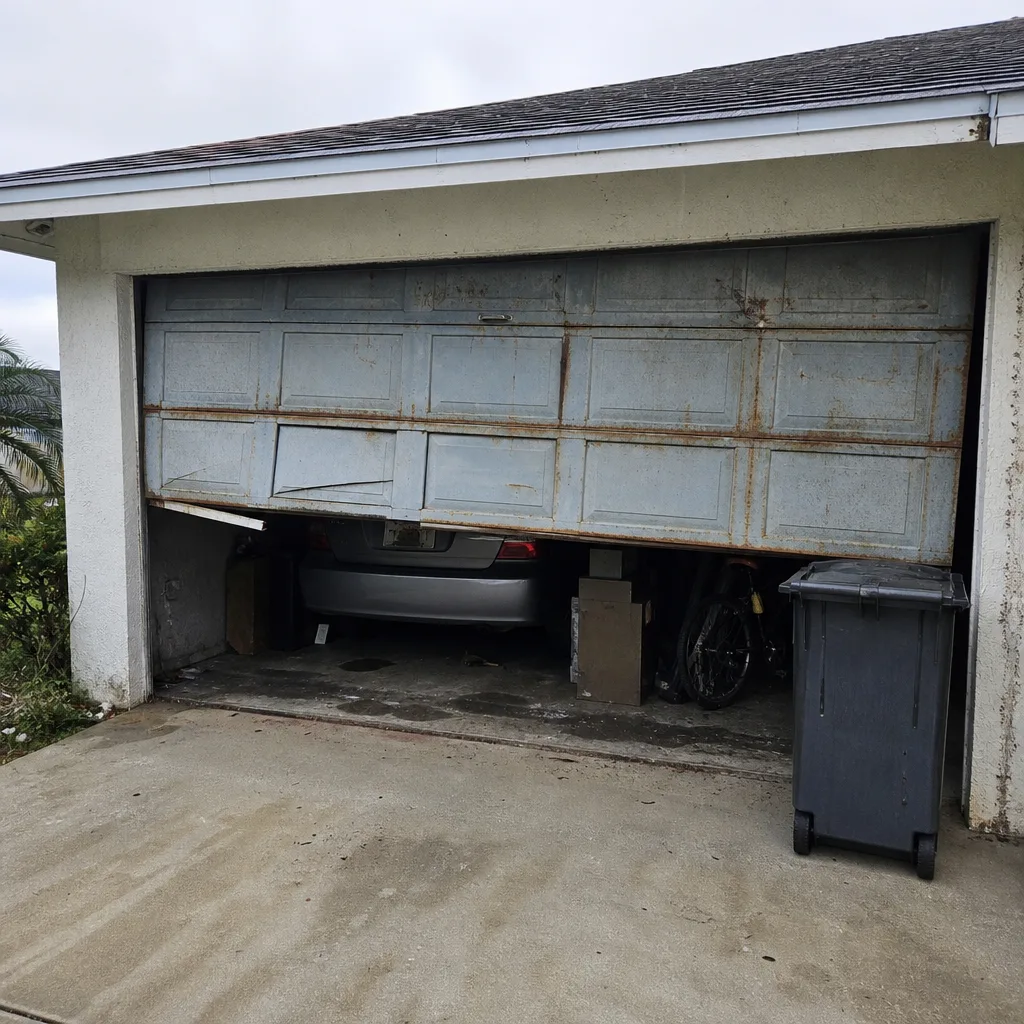
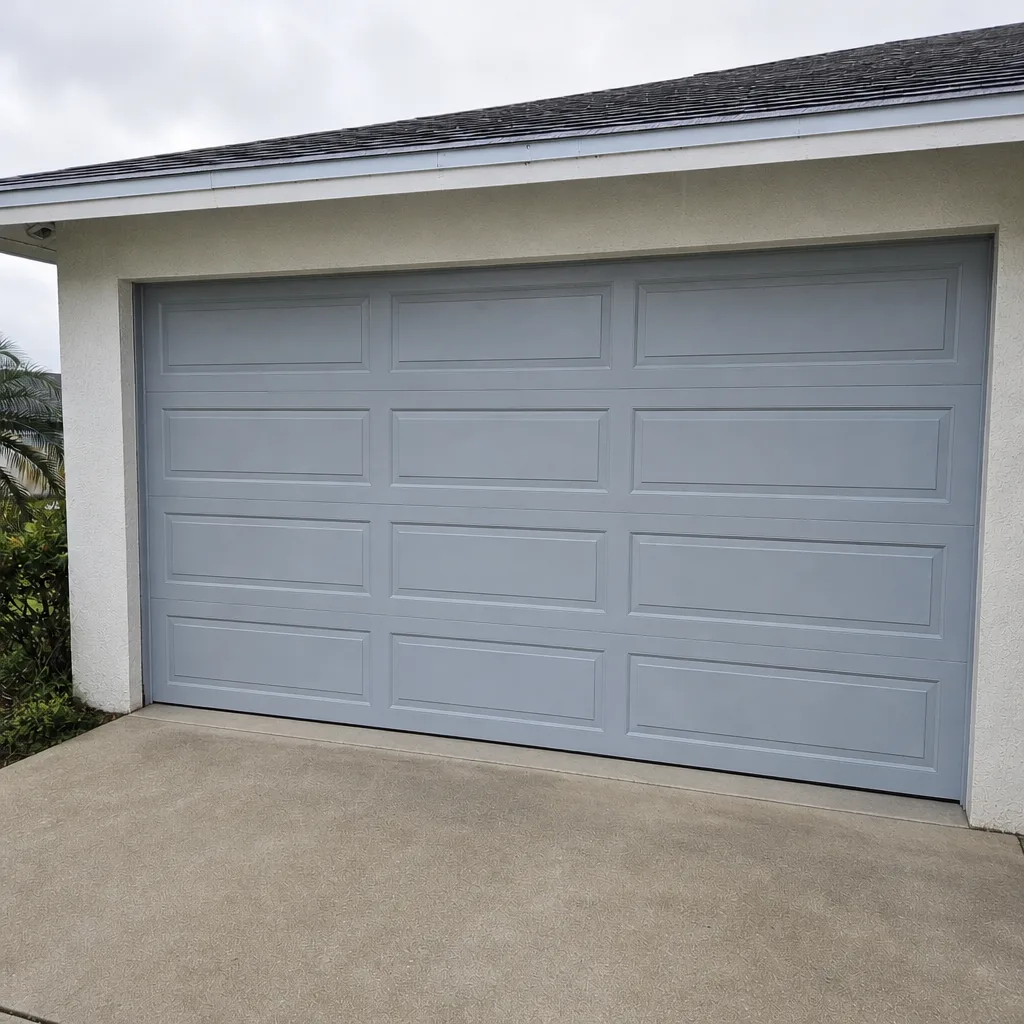
See the difference
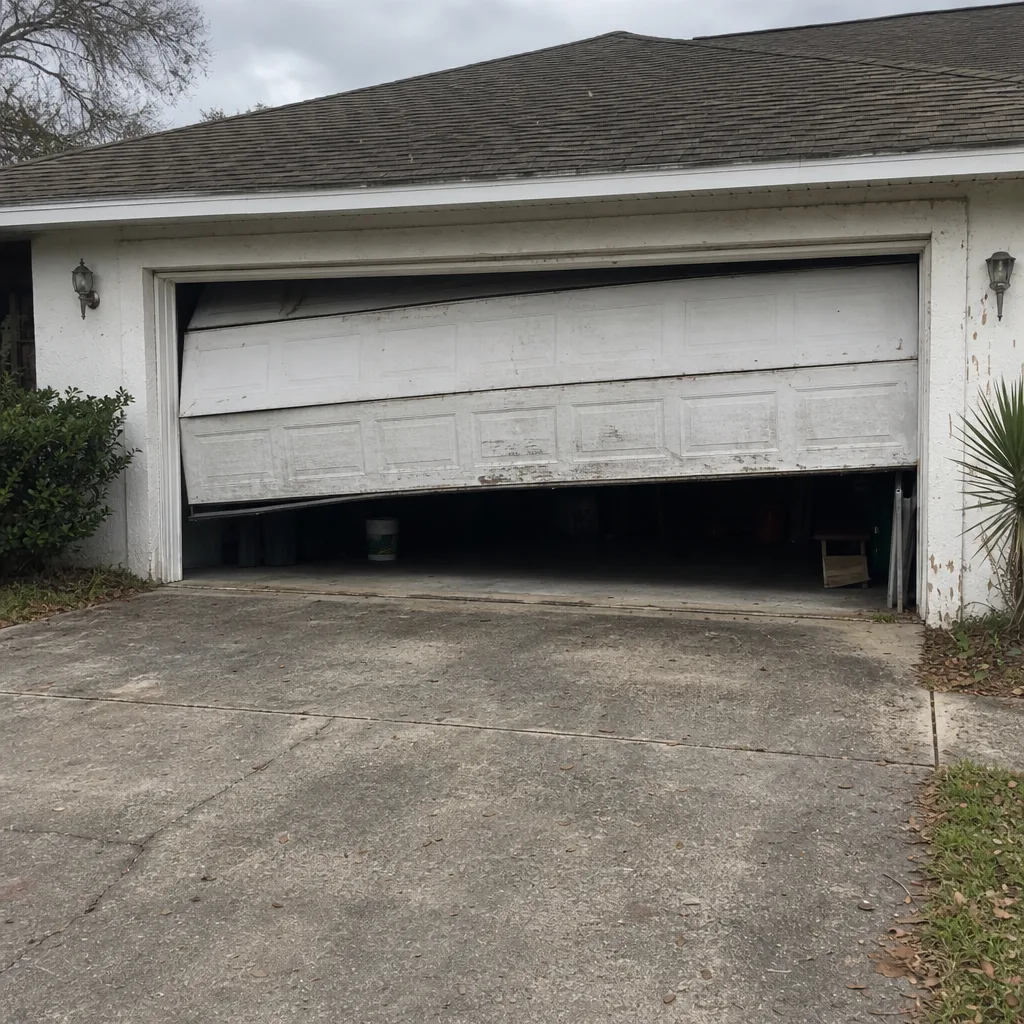 Before
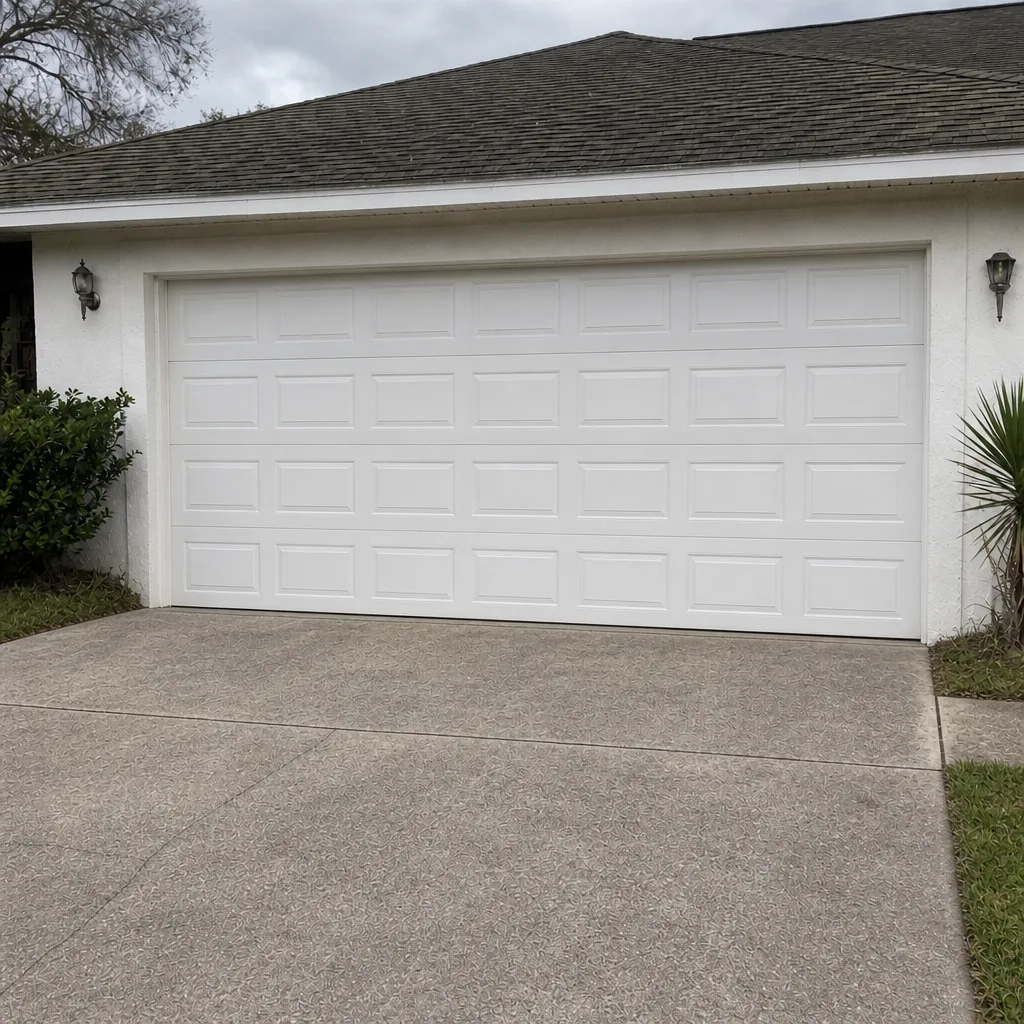 After
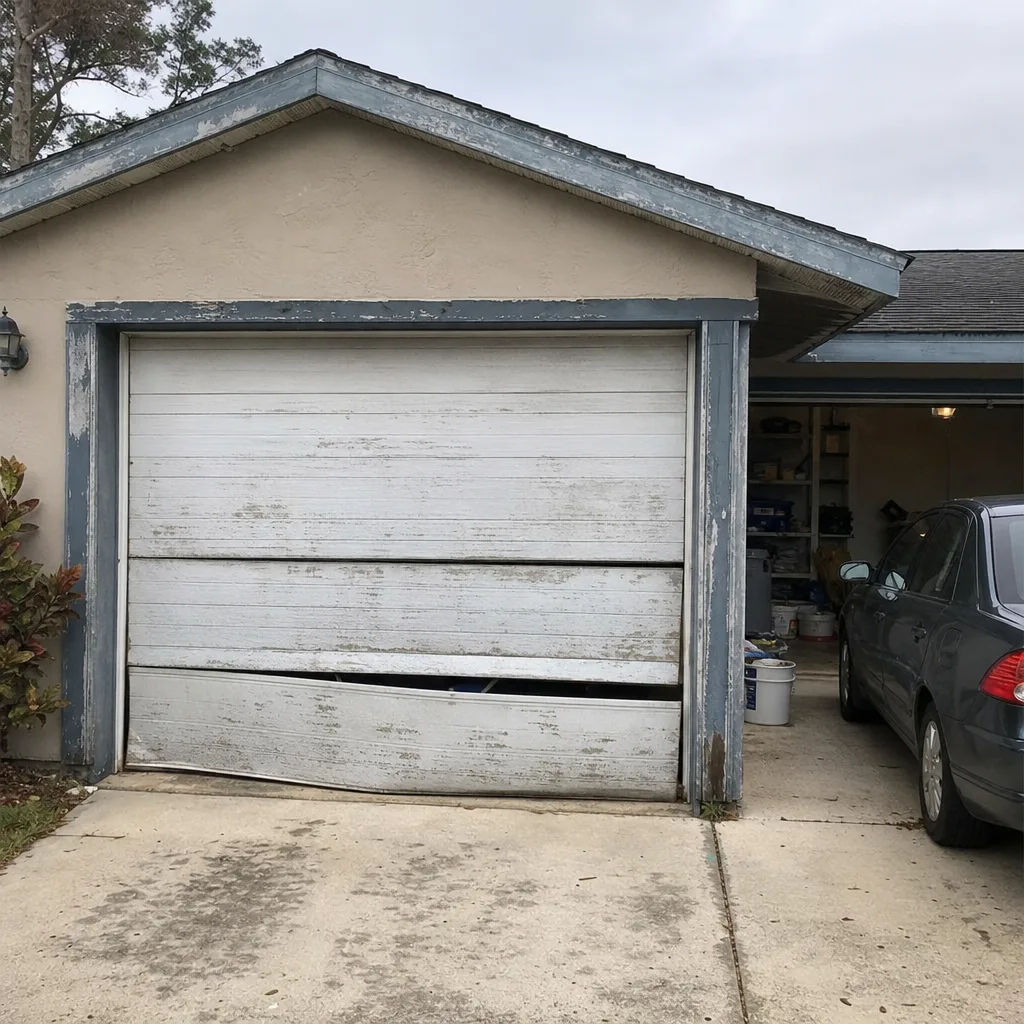 Before
 After
 Before
 After
When to Call a Professional
Some jobs are obvious: a broken torsion spring, a snapped cable, a door off its tracks, a full replacement. Those need a licensed professional, every time, no exceptions. But there are subtler cases where a call is still the right move. If your door reverses unpredictably, runs loudly, or feels sluggish, that’s often a sign of an underlying problem that will get worse. If you’ve just moved into a home in Ormond Beach and don’t know the age of the springs, have them inspected. If a storm has left the door looking fine but feeling wrong, get it checked before you trust it. And if you’ve started a DIY repair and lost confidence, stop and call. The most expensive decision is the one made halfway through a dangerous job.
Ormond Beach Garage Door Repair Pros offers free estimates in Ormond Beach. We answer 24/7. Fast dispatch from 7am to 7pm, Sunday through Friday. Call (855) 645-1112 and we’ll give you a clear, written price before any work starts. Estimates are free.
Frequently Asked Questions
It often is, but the requirement depends on the specific job and current local rules. Call the City of Ormond Beach building department and ask directly about your door and your address. We won’t give you a code section because the building department is the authority, and the answer can affect your insurance and your home’s value if you skip it. If a permit is required, have the work done by a licensed professional who can pull it.
You should not, regardless of what the law allows. Springs store enough force to cause serious injury, and a self-replaced spring has no warranty and no safety check. We treat spring work as a professional-only job, always. Call (855) 645-1112 for a free estimate and let a trained technician handle it.
It can, if the install was unpermitted and the door later fails in a way that leads to a claim. Insurance companies expect structural changes to be made to code with the proper permits, and an unpermitted self-install can complicate a wind or storm-damage claim. We’re not an insurer and can’t speak to a specific policy, but a permitted install by a licensed professional is the safer path for your coverage. Call us to talk through the project.
Lubricating hinges and rollers, cleaning tracks, aligning safety sensors, reprogramming remotes and keypads, and testing the auto-reverse are all safe for a homeowner. None of these involve stored tension or a permit. Do them regularly. Our technicians have up to 10 years of experience, and they’ll confirm these are the jobs that prevent the most common service calls.
Lubricant on the tracks attracts dirt and grit, and that turns into a paste that wears the rollers faster. Clean the tracks with a damp cloth instead, and put the lubricant on the hinges, rollers, and spring coil. It’s a small distinction that extends the life of your hardware.
Yes, and please do. A door that’s been partially disassembled is more dangerous than one that hasn’t been touched. Stop, secure the area, and call (855) 645-1112. We answer 24/7, and we’d rather walk you out of a bad spot than have you push through it. The free estimate will tell you exactly where you stand.
The Bottom Line
The DIY vs professional question for garage doors comes down to a few clear lines. Lubrication, sensor checks, cleaning, and remote programming are safe and worth doing yourself – especially in Ormond Beach’s humid climate. Springs, cables, and full door installs are not. They’re dangerous, and an unpermitted self-install can affect your insurance claim and your home’s value. When the job involves stored tension or a new door, the pro route is the only one that makes sense. Get a written estimate, agree on the price before work starts, and let a licensed professional handle the parts that matter.
If you’re weighing a repair against going it alone, call (855) 645-1112 for a free estimate. We answer 24/7. Fast dispatch from 7am to 7pm, Sunday through Friday, and we’re closed on Saturday. The written quote is the price – no surprises on the invoice.
Written by the team at Ormond Beach Garage Door Repair Pros.